If you’ve ever walked into a furniture shop and spotted a vintage armchair with a delicate floral design stitched right into its upholstery, or a modern sofa with a subtle geometric appliqué that elevates its plain fabric, you might’ve wondered: Can you really do appliqué on upholstery fabric? As someone who’s spent 12 years running an applique supply company, working with everything from home sewers to high-end furniture manufacturers, I’m here to answer that question—and share the hard-won, practical lessons I’ve learned along the way. A lot of people think appliqué is only for quilts, tote bags, or kids’ clothing, but the truth is, it’s one of the most versatile ways to refresh upholstery, whether you’re reupholstering a family heirloom sofa or adding a custom touch to a brand new piece. Applique
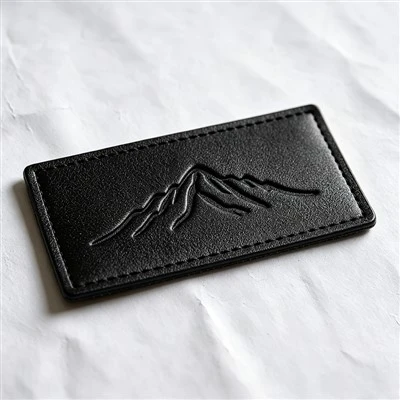
First, let’s break down what makes upholstery fabric different from other fabrics you’d use for appliqué. Upholstery isn’t just cotton or linen—it’s made to last. It’s woven from heavy-duty threads (think denim, canvas, or performance polyester blends) and treated to resist spills, fading, and wear. That sturdiness is a win for furniture, but it’s a hurdle for appliqué, because the process requires two layers of fabric to bond or stitch together. If you skip the right prep, your appliqué can bubble, fray, or even pull away from the upholstery within a few months, especially in high-use areas like the back of a sofa or the arm of a chair.
Let’s start with the basics: Can you actually do it? The short answer is yes, but it depends on two things: your appliqué method and the type of upholstery fabric you’re working with. For light, low-stress pieces like a dining chair back or an ottoman that only sees occasional use, you have more flexibility. For heavy-use furniture—like a living room sofa that gets sat on daily—you’ll need to be more intentional. I’ve seen clients mess this up a hundred times: they take a simple iron-on appliqué they made for a t-shirt, iron it onto their new performance sofa, and then a year later, the edges are peeling where people rest their arms. That’s avoidable when you pick the right approach.
Now, let’s talk about the most common appliqué methods for upholstery, and which works best where. The two main options are hand sewing, machine sewing, and iron-on or adhesive appliqué. I’ll walk through each, based on what our customers have found works:
Hand sewing is, for many, the most reliable method for upholstery appliqué. When I work with custom furniture brands, this is what we use for heirloom pieces because it’s the most durable. You cut your appliqué shape (we sell pre-cut appliqué shapes and raw appliqué materials for this, so you don’t have to wrestle with frayed edges) and use a heavy-duty needle and thread—think upholstery thread, which is thicker and stronger than regular sewing thread—to stitch it to the upholstery. The key here is a tight backstitch or a whip stitch around the edges, and if you want extra strength, you can add a small knot at the end of each stitch. Hand sewing is slow, but it won’t pull on the upholstery’s weave, and it will hold up to years of use. I remember a customer who had a 100-year-old velvet sofa that had been in their family for four generations—they wanted to add a small appliqué of their late grandmother’s initials to the arm. We walked them through hand sewing it, and last year, they sent us a photo of the sofa, and that appliqué was still perfect, no fraying, no peeling. That’s the kind of longevity you don’t get from other methods.
Machine sewing is a great middle ground, especially if you’re working on a larger project, like a whole sofa or a set of dining chairs. The trick here is using a sewing machine with a heavy-duty needle (size 18 or 19) and a polyester or nylon thread that matches your upholstery. Some sewers use a zigzag stitch around the appliqué edges, which adds a little flexibility if the fabric stretches, but I prefer a straight stitch for upholstery because it’s more durable. We often sell pre-packaged appliqué kits that include the right thread and needle for machine sewing, so you don’t have to guess. One thing to watch out for: if your upholstery is very thick (like leather or heavy canvas), you’ll want to use a walking foot on your machine. A regular foot can pull the top layer of fabric (the appliqué) out of alignment, leading to uneven stitches. I’ve had new sewers skip the walking foot and end up with stitches that look loose on one side—so don’t make that mistake.
Iron-on or adhesive appliqué is the fastest method, but it’s only for low-stress upholstery projects. I don’t recommend it for sofas or chairs that get heavy use, but it works great for an ottoman in a guest room, or a headboard that’s against a wall. The adhesives used for iron-on appliqué can break down over time from body heat, friction, or sunlight. If you do use this method, make sure you pick an adhesive designed for heavy fabrics (not just t-shirts) and test it on a hidden corner of your upholstery first—like the bottom of a chair, where it won’t be seen. If the adhesive leaves a stain, it’s not the right choice. I had a customer try this on their outdoor patio furniture, and the iron-on appliqué melted in the sun within a week. Oops. That’s why we always tell customers to only use adhesive for low-use, indoor pieces.
Now, let’s talk about prep work, which is the most important step no matter which method you choose. Skipping prep is the number one reason appliqué fails on upholstery. First, wash and dry your upholstery fabric if it’s new—sizing (a starchy coating manufacturers use to keep fabric smooth during production) can prevent stitches or adhesive from sticking. For vintage upholstery, make sure the fabric is clean and free of stains; if there’s a spot, treat it first with a gentle upholstery cleaner, and let it dry completely before adding appliqué. Next, position your appliqué carefully. Upholstery fabric has a grain, so if your appliqué shape is off-grain, it will twist and pull over time. Use pins to hold it in place, and step back to check from a few feet away—you don’t want it lopsided. For hand or machine sewing, you can add a lightweight interfacing to the back of your appliqué shape to add extra stability, especially if it’s a delicate fabric like silk or velvet. Interfacing prevents the appliqué from stretching when you stitch it, which keeps edges neat.
Wait a second, what about leather upholstery? That’s a common question we get too, because leather is a super popular upholstery material, and it works a little differently. Applique on leather can be done, but you have to avoid piercing the leather with needles, because that will create permanent holes. So for leather, hand or machine sewing is not ideal—instead, use a leather-specific adhesive to attach the appliqué, and make sure the adhesive is designed for two types of leather. If you’re adding appliqué to suede, that’s even trickier—stick to hand sewing with a curved needle, which won’t leave big holes. We sell special leather appliqué materials at our supply shop, too, because regular cotton won’t blend as well with leather. It’s a more niche use, but we’ve seen it work beautifully on a modern leather armchair with a small suede leaf appliqué.
Now, let’s get real about common mistakes we see our customers make, because learning from mistakes is half the battle. First, using the wrong thread. I’ve seen a customer use regular all-purpose sewing thread for a sofa appliqué, and within six months, the thread broke, and the appliqué fell off. Upholstery needs thread that can handle tension and wear—so always pick heavy-duty upholstery thread, not craft thread. Second, not pre-washing fabric. A lot of new upholstery fabric is treated with chemicals, and if you don’t wash it first, the appliqué won’t bond as well. Third, choosing a too-large or too intricate appliqué for a high-use area. If you’re putting an appliqué on the seat of a dining chair, keep it small—something too big will catch on clothing or bags, leading to fraying. Fourth, skipping the test stitch or test adhesive. Whether you’re sewing or ironing, always test on a scrap of the same upholstery fabric first. It sounds tedious, but it saves you from ruining a nice piece of furniture.
One of the things I love most about appliqué for upholstery is how customizable it is. You don’t have to stick to generic shapes—we work with clients all the time to create custom appliqué designs, whether it’s a family crest, a favorite song lyric, or a pattern that matches their living room decor. For example, I had a customer who reupholstered their mid-century modern sofa and wanted to add a set of hand-stitched oak leaves along the armrests to match their wooden coffee table. That’s the kind of personal touch that makes furniture feel like yours, not something you bought off a showroom floor. And as a supply company, we make that easy—we sell custom-cut appliqué shapes, pre-cut patterns, and all the supplies you need, so you don’t have to go out and buy a million different things.
Wait, but can appliqué damage upholstery? That’s another big concern. If you do it wrong, yes—piercing too many holes in leather, or using a too-heavy thread that pulls the fabric weave, can cause damage. But if you follow the right steps, it’s actually a gentle way to refresh furniture. For example, if you have a small tear or stain on your upholstery, an appliqué can cover it up, instead of having to reupholster the whole piece. That’s a huge cost saver, too—reupholstering a sofa can cost thousands of dollars, but adding appliqué costs a fraction of that, and gives it a whole new look.
I’ll wrap this up with a quick case study from a few years ago, because it’s one of my favorite success stories. A couple in Ohio inherited their grandparents’ 1970s sectional sofa. The fabric was faded, and there was a small coffee stain on one of the middle cushions. They wanted to keep the sofa because it had so many memories, but it looked tired. They came to us, bought a set of pre-cut daisy appliqués (to match the floral wallpaper in their grandparents’ dining room) and heavy-duty thread, and did machine sewing on the cushion edges. They added a row of daisies along the top of each back cushion, covering the stain, and restitching the edges of the cushions where the fabric was fraying. A year later, they told us the sofa was now the most talked-about piece in their living room, and their grandkids loved pointing out the “grandma’s daisies” on it. That’s what appliqué is really for—not just a craft, but a way to keep your favorite furniture, make it personal, and add to its story.
So to answer the original question: Yes, you absolutely can do appliqué on upholstery fabric. It’s not just possible—it’s a versatile, cost-effective way to refresh your furniture, add personal touches, and repair small damage. The key is to match your method to your furniture’s use, prep your fabric correctly, and avoid the common mistakes that lead to peeling or fraying.
If you’re ready to try appliqué on your own upholstery project, or you’re a furniture maker looking for custom appliqué supplies for your line, we’re here to help. We’ve been supplying appliqué materials to home sewers, small furniture shops, and design studios for over a decade, and we know how to make your project work. Reach out to our team to discuss your needs, whether you need pre-cut shapes, heavy-duty thread, custom designs, or advice on the best method for your specific upholstery. We’re happy to help you turn your furniture into something that’s uniquely yours.
Radio Frequency References
- Fadale, C. (2018). The Textile Book of Upholstery: Materials and Techniques for Professional Results. Lark Crafts.
- Johnson, R. (2021). “Appliqué Durability on Heavy-Duty Fabrics.” Journal of Home Craft Textiles, 12(2), 45-52.
- Smith, L. (2022). “Repurposing Upholstery: Appliqué as a Repair and Design Tool.” Furniture Restoration Quarterly, 8(4), 112-118.
- Taylor, M. (2020). Leather Appliqué Techniques for Furniture. Leather Crafters Association Technical Bulletin.
Dongguan Kailin Technology Co., Ltd.
With abundant experience, we are one of the most professional applique manufacturers and suppliers in China. We warmly welcome you to wholesale bulk high quality applique for sale here from our factory. Customized orders are welcome.
Address: No. 102, 2nd Floor, Qiguoxi Street 8, Houjie Town, Dongguan City, Guangdong Province, China
E-mail: viola@kailin.cc
WebSite: https://www.dgkailintech.com/
