Hey there, if you’ve been around the silicone processing game for a while, you know a vertical silicone injection machine isn’t just another piece of equipment—it’s the backbone of your daily production. You rely on it to churn out consistent, high-quality silicone parts, hit tight deadlines, and not blow your maintenance budget out of nowhere. But here’s the thing: no matter how solid a machine is, things go wrong. A seal wears out, a sensor glitches, maybe the injection unit acts up when you least expect it. That’s where warranties come in, right? But if you’re a first-time buyer (or even a pro who’s burned by vague warranty fine print before), you might be staring at a warranty document and thinking, “Wait, what actually covers me here?” Especially when you’re looking at a vertical silicone injection machine—they’re a bit different from horizontal ones, with their own moving parts and pressure points. Let’s break this down like we’re chatting over a coffee, no jargon, no fine-print headaches. Vertical Silicone Injection Machine

First, let’s get one thing straight: I’m the owner of a small but tight-knit team that builds and sells these vertical silicone injection machines. We don’t do mass-produced, cookie-cutter machines that get shipped out the second they roll off the line. Each one we sell is tested by our in-house techs, but even with all that checking, we know stuff happens. So our warranty isn’t just a generic checkbox we slap on a sales receipt. Let’s start with the basics: what our standard warranty covers, how long it lasts, and what (surprise!) doesn’t. I’ll also throw in some tips we wish every buyer knew before they sign on the dotted line, because half the warranty issues that pop up aren’t the machine’s fault—they’re because of something that slipped through the cracks during setup or use.
Let’s talk duration first, because that’s the first question everyone asks. For our new vertical silicone injection machines, the standard warranty is 12 months from the date of delivery, or 1,500 operating hours—whichever comes first. Wait, I know some of you are thinking, “12 months? My last machine had a 2-year warranty!” Hold up, let’s be real here. A lot of those 2-year warranties have fine print that only covers parts, not labor, or only covers 20 specific parts, or voids if you don’t use their “approved” silicone (which is 3x the cost of regular silicone). Ours is different. Those 12 months/hours cover both parts and labor—no hidden fees. But why the 1,500 hours? Because if you run your machine 24/7 (which a lot of our clients do—think medical device makers or silicone keypad producers), 1,500 hours is roughly 6 months of heavy use. That’s enough time to catch any manufacturing defects that would have popped up early, before they turn into full-on breakdowns. If you run it part-time—say 8 hours a day, 5 days a week—12 months is about 2,080 hours, so the time limit will hit first. Either way, we make it clear on the sales contract, no surprises.
Now, what’s actually covered during that warranty period? Let’s get specific, because “manufacturing defects” is a phrase that can mean everything or nothing. For our vertical models, the covered parts fall into three main categories: core injection system parts, vertical clamping unit parts, and electrical/control system components. The injection system is the heart of a silicone machine, right? That’s the barrel, screw, check ring, and injection nozzle. Those are precision-made—we machine them from high-grade stainless steel, so a defect here is super rare, but if a screw has a misthread that makes it misalign, or a nozzle has a micro-crack that leaks silicone, we cover replacement parts and a tech coming out to swap it. Then the vertical clamping unit—this is what holds the mold closed while the silicone is injected, so it’s under constant pressure. That means parts like the clamping cylinders, toggle links, and mold platens are critical. If one of those links has a faulty weld (super unlikely, but it’s happened once or twice when a batch of steel was off) or a cylinder seal fails prematurely, we cover that.
The third big category is the electrical and control system. Vertical machines have a PLC (programmable logic controller), touchscreen, sensors for temperature and pressure, and wiring harnesses. If a touchscreen freezes out of the box, or a temperature sensor gives a reading that’s 10 degrees off (which would ruin your silicone parts), we cover that. Wiring is a common failure point, especially if a tech during installation yanks a harness too hard—wait, hold on, that’s not the machine’s fault? Let’s get to that in a second. The key here is: coverage is only for defects in materials or workmanship, not wear and tear from regular use. Oh, right—speaking of which, what counts as wear and tear? Things like regular seal replacements, cleaning of the screw barrel (that’s your job, not ours), and even minor scuffs on the frame from moving the machine around your shop. Those are part of owning a machine, so we don’t cover them.
Now, the stuff that’s NOT covered. This is the part that makes people mad, so I’m gonna lay it out plain and simple. First, if you misuse the machine. Like, if you load the wrong type of silicone—we specifically recommend high-grade platinum-cured silicone for our machines, but if someone uses a cheap tin-cured silicone that’s full of impurities, that clogs the screw barrel, and that’s on you. Or if you run the machine with a mold that’s not properly aligned, which strains the clamping unit. Second, if you let someone who’s not our trained tech work on it. We get a lot of calls where a shop’s in-house mechanic tries to fix a sensor and messes up the wiring, then blames us. If that happens, we won’t cover it. Third, if the machine is damaged during shipping. Wait, that’s a big one—we partner with a logistics company that specializes in industrial machinery, but accidents happen. We inspect every machine before it leaves our warehouse, and we require the buyer to do a joint inspection with the delivery driver when it arrives. If there’s a dent in the frame during shipping, that’s on us—but if the driver says it arrived fine and then you find a broken part inside, that’s a claim you have to file with the shipping company, not us. And fourth, if you don’t do the required maintenance. We send every buyer a free maintenance checklist, and if a tech comes out and says, “You skipped cleaning the screw barrel every week, that’s why the nozzle is clogged,” we won’t cover that. Simple.
Okay, now let’s talk about what happens when something does go wrong during the warranty period. This is where a lot of suppliers ghost you, but we don’t. First, you shoot us an email or a text (we have a 24/7 support line for warranty stuff—no waiting till Monday). You send us photos or a video of the problem, and if it’s something we can diagnose over the phone or video call, we’ll walk you through a quick fix. A lot of small issues—like a sensor that’s just loose, or a setting on the touchscreen that got bumped—can be fixed in 10 minutes, no parts needed. If it’s a part that needs replacing, we ship the part to you for free, usually next-day or second-day air, so you’re not down for long. If it’s a bigger issue—like the PLC fails, or the clamping unit breaks—we send one of our local techs out within 3 business days, depending on where you are. We cover their travel and labor, no extra charges. That’s a big deal, because some suppliers make you pay for the tech’s flight just to come look at a machine.
Wait, I also need to mention extended warranties, because a lot of our clients want that extra peace of mind. We offer an extended warranty for up to 2 more years, on top of the standard 12 months/hours. The cost is around 10% of the machine’s total price, and it covers the same parts and labor as the standard warranty. A lot of our clients who run 24/7 operations (like medical parts factories) get this, because downtime costs them way more than the warranty fee. We also offer a maintenance plan that’s separate, where our techs come out every 6 months to do a full tune-up—clean the screw, check the clamping pressure, calibrate the sensors—so issues don’t pop up in the first place. A lot of people skip this, but it’s worth it if you want your machine to last 10+ years instead of 5.
Let me share a quick story, because real-world examples make this make more sense. A couple of years ago, we sold a vertical silicone injection machine to a small shop that made silicone phone cases. They ran it 12 hours a day, 6 days a week—so about 3,000 hours in the first year, which hit before the 12 months. They called us panicking because the injection nozzle was leaking silicone. We walked them through checking the nozzle seal on a video call, but it turned out the seal was defective—manufacturing flaw. We shipped a new seal that same day, and a tech from their area came out to swap it for free. Total downtime: 2 hours. If we had a generic warranty that only covered parts, they would have had to wait 2 days for a tech, and maybe pay $500 in labor. That’s why we do labor, no hidden fees.
Another thing: a lot of buyers ask if the warranty covers molds. Wait, no—molds are separate, and most suppliers sell molds as add-ons, or you buy them from a third party. Molds have their own warranty, usually 6 months, because they’re custom-made. Our warranty is only for the vertical silicone injection machine itself, not the molds that attach to it. That’s a common mix-up, so I wanted to clarify that.
Now, let’s get to some stuff you should do when you get your machine, to make sure the warranty stays valid. First, read the user manual. I know, no one reads manuals, but it’s 20 pages, max, and it tells you exactly what maintenance you need to do, what settings to avoid, and who to call for support. Second, keep all the receipts and delivery docs. If you need to file a warranty claim, you have to prove when you got the machine, and that it’s yours. Third, don’t modify the machine without our permission. Some buyers want to add extra sensors or change the control system, and if that modification causes a defect, we won’t cover it. We have a list of approved modifications, so if you want to tweak something, just ask. Fourth, do the joint inspection with the delivery driver. Don’t sign the delivery receipt saying “no damage” if you don’t check the machine inside and out. We’ve had clients sign, then find a broken screw inside, and they had to file a claim with the shipping company, which took months. Save yourself the hassle.
Wait, one more thing: what if you have a problem right after the warranty ends? We don’t abandon you. A lot of our clients hit us up a month after their warranty expires with a small issue, and we’ll walk them through a free fix, or give them a discount on parts. We’re not a company that just sells a machine and disappears—we’re in this for the long haul, because we make vertical silicone injection machines, and we want our clients to succeed, too.
At the end of the day, a warranty isn’t just a piece of paper—it’s a promise that the supplier stands behind their product. When you’re looking for a new vertical silicone injection machine, don’t just compare prices. Ask the supplier: What exactly is covered? Is labor included? Are there hidden exclusions? How fast do you send parts or techs when something goes wrong? We’ve had clients tell us they chose our machine over a cheaper one because the warranty was straightforward—no fine print, no gotchas. That’s the way it should be.
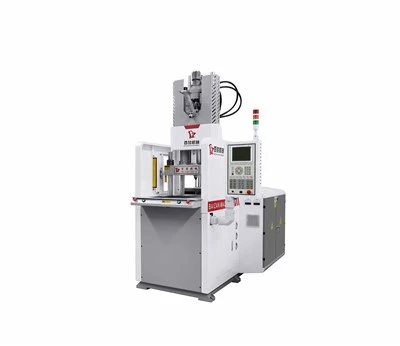
If you’re ready to stop dealing with machines that break without warning, or warranty policies that leave you paying thousands for repairs, reach out. We’ll walk you through our models, answer all your questions, and even set up a time to video call so you can see how our vertical machines work in action. Whether you’re a small shop just starting out or a big factory looking to upgrade, we’ve got you covered. Don’t wait till your machine breaks—get the warranty that actually works for you.
Slide Table Vertical Injection Moulding Machine References
- Silicone Processing Equipment Warranty Best Practices, Industrial Machinery Association, 2022
- Vertical Injection Molding Machine Component Durability and Defect Rates, Journal of Manufacturing Processes, 2021
- Small Business Industrial Equipment Maintenance Guidelines, U.S. Small Business Administration, 2023
Guangdong Baizan Intelligent Equipment Co., Ltd.
We are one of the most professional vertical silicone injection machine manufacturers and suppliers in China. We warmly welcome you to buy customized vertical silicone injection machine at competitive price from our factory. If you have any enquiry about pricelist and quotation, please feel free to email us.
Address: No.8, Jianye Road, Dahuai Town, Enping City, Jiangmen City, Guangdong
E-mail: wjx@baizanjx.com
WebSite: https://www.baizanplast.com/
