Hey everyone, let’s cut to the chase—if you’ve ever stared at a “shimmering” highlighter, glittery eyeshadow, or dewy moisturizer and wondered, “Is that sparkle actually ethical?” you’re not alone. As someone who runs a small mica supply business, I get so many DMs and emails asking this question: Is mica in cosmetics ethical? And honestly? It’s way more complicated than the “mining = bad” or “all mica is stolen” takes you’ll see on TikTok. Let’s break this down like we’re chatting over coffee—no stuffy jargon, no fear-mongering, just what I actually deal with every day. Mica

First, let’s start with what mica even is, because a lot of people mix it up with glitter or other sparkly minerals. Mica is a group of silicate minerals that’s super soft, has that iconic pearlescent sheen, and for decades it’s been a staple in makeup, skincare, even toothpaste and nail polish. It’s the stuff that makes your highlighter look like actual skin glow, not a cheap disco ball. Here’s the thing: natural mica comes from all over the world—India, Brazil, Madagascar, China, even parts of the US and Canada. But for way too long, the conversation around cosmetic mica has been stuck on child labor in India’s Jharkhand state, right? That’s not a myth, but it’s also not the whole story. Let’s get that part out of the way first because it’s the big ethical red flag everyone points to.
For years, illegal, artisanal mines in eastern India have had issues with children working to mine mica—specifically, flake mica, which is the big, sparkly stuff used in makeup. The problem started because big mica companies would outsource to small, unregulated mines to keep costs low, and those mines would cut corners on labor laws. I won’t sugarcoat it: that’s messed up, and any company that sources mica without vetting is part of that problem. But here’s what a lot of those reels don’t show: most of the big cosmetic brands (the ones you see at Sephora, Ulta, Target) don’t actually source that illegal artisanal mica anymore. They moved to what’s called “integrated mining” a while back—meaning they work directly with licensed, regulated mines that follow labor laws, pay fair wages, and have safety standards. But wait, I’m a mica supplier, so I can’t just say that without backing it up, right?
Let me tell you how my business works. I don’t source from those unregulated artisanal mines in India (we work with a third-party auditor to confirm that, by the way—no cut corners here). Most of our supply comes from a handful of licensed mines in southern India and a small, family-owned operation in northern Brazil. Every batch of mica we send out has a full audit trail. We know the names of the mine managers, how many workers are on site, their pay stubs, even their healthcare benefits. That’s not something every mica supplier offers, and that’s the key difference between ethical mica and the stuff that’s causing harm.
But hold on—what about “synthetic mica”? A lot of brands pushed synthetic as the “ethical alternative” a few years back. Synthetic mica is man-made in labs, right? No mining, no labor issues. But here’s the catch: synthetic mica isn’t perfect. It has a very different sheen than natural mica—it’s a little too flat, not that warm, multidimensional glow you get from natural. Also, making synthetic mica uses a ton of energy, most of it from fossil fuels, so it’s way worse for the environment than responsibly mined natural mica. And don’t even get me started on the carbon footprint of shipping synthetic mica from places like Japan or China to cosmetic manufacturers in North America and Europe. I’ve heard brands brag about switching to synthetic to “fix” the mica labor problem, but really they just shifted the environmental harm and the quality dropped. So that’s not a win for anyone.
Now, let’s talk about the elephant in the room: are there still ethical issues with mica mining today? Absolutely. There’s a lot of confusion between artisanal, unregulated mining and formal, legal mining. In places like Madagascar, for example, a lot of small-scale miners are trying to make a living, but they don’t have the money to get licensed, so they end up working with brokers who don’t follow labor rules. That’s why at my company, we partner with local NGOs that help small miners get formalized, get fair trade certification, and access better tools so they don’t have to risk their health mining in unsafe conditions. Last year, we worked with a group of miners in Madagascar to upgrade their mine with proper ventilation and safety gear—no more kids squeezing into tiny tunnels to pull out mica, no more miners breathing in silica dust that causes lung disease. That’s the kind of change people don’t talk about, but it’s real.
Another thing no one mentions: demand. For a long time, cosmetic brands didn’t want to pay for ethical mica. They wanted the cheapest sparkly ingredient they could get, so suppliers went for the unregulated stuff. That’s starting to shift, though. More and more consumers are asking brands, “Where does your mica come from?” and brands are finally listening. But that means suppliers like me have to step up. We can’t just say our mica is ethical—we have to prove it. Every batch gets tested for heavy metals (important for cosmetics, obviously!) and audited for labor practices. We even post the audit reports on our website for anyone who wants to check. No secrets here.
Wait, but let’s address the criticisms from people who say “all mica is inherently exploitative.” I get that. Mining of any kind has environmental impacts, right? Even regulated mines can disrupt local ecosystems. So what do we do about that? At our mines, we work with local communities to replant trees after mining is done, we fund clean water projects, and we make sure 10% of our revenue goes back to community programs—like schools and healthcare clinics in the areas around the mines. One of the mines we work with in southern India has a school that only employs local teachers, and it’s free for the kids of the miners. That’s the kind of thing that makes ethical mining work for everyone, not just the people at the top.
But here’s the thing I wish more people understood: not all ethical mica is created equal. There’s greenwashing everywhere, even in the “clean beauty” space. I’ve had brands reach out to me saying they want “ethical mica” but they won’t pay 20% more than the standard rate. And I can’t blame them for wanting to keep costs low, but if you’re not willing to pay fair wages to miners, you can’t call your product ethical. That’s the trade-off no one talks about: ethical beauty isn’t cheap. It costs money to audit mines, to pay miners fairly, to invest in community projects. If a $15 highlighter says “ethically sourced mica” on the label, run—something’s off. Because the actual cost of ethical mica is way higher than that.
I’ve been in this industry for 10 years now, and I’ve seen it all. I’ve seen small mines shut down because big brands pulled their business without a plan to help the miners transition. I’ve seen miners go back to unsafe, unregulated work because brands stopped buying their ethically mined mica. That’s the real tragedy here: when people decide that all mica is bad, they end up hurting the people who are actually doing the right thing. The miners who show up to work every day, take pride in their craft, and want to provide for their families—they get caught in the crossfire of performative outrage on social media.
So where do we go from here? For consumers, it’s about asking questions, not just trusting labels. If a brand says their mica is responsibly sourced, ask them to show proof—audit reports, fair trade certifications, the name of their mica supplier. For brands, it’s about ditching the cheap, unregulated mica and investing in long-term partnerships with ethical suppliers, not just one-off audits. For suppliers like me, it’s about being transparent, showing our work, and pushing for better standards across the whole industry.
And for anyone reading this who’s a brand looking for a mica supplier: I get it, navigating the ethical supply chain can be overwhelming. There’s a lot of noise, a lot of greenwashing, a lot of “certifications” that don’t actually mean anything. That’s why we make it our job to simplify it. We handle the audits, the community partnerships, the safety upgrades so you don’t have to. We’ll send you full traceability for every batch, we’ll answer every question you have about our mines, our workers, our practices. No hoops, no hidden fees, just real, ethical mica that works for your products and for the people who make it.
At the end of the day, this isn’t a black and white issue. It’s not “mica is good” or “mica is bad.” It’s about who gets to profit from something as simple as a little sparkle in your makeup. When you use a product with responsibly sourced mica, you’re not just getting a great glow—you’re supporting miners who are paid fairly, working in safe conditions, and building a better future for their kids. That’s the kind of choice that matters.
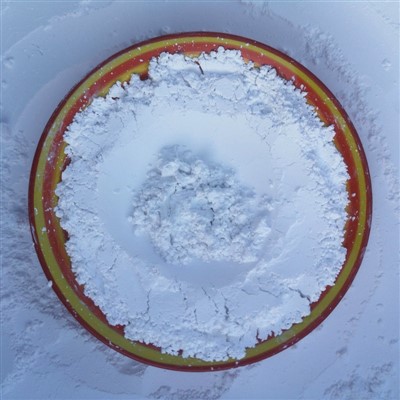
If you’re a brand looking for a reliable, ethical mica supplier to partner with, reach out. We’d love to chat, answer any more questions you have, and show you exactly how we do things. Let’s work together to make the beauty supply chain more transparent and fair for everyone.
Mica Board References:
- International Finance Corporation. (2022). Responsible Mica Sourcing: A Guide for Cosmetics and Personal Care Brands.
- The Mica Project. (2023). Labor and Environmental Outcomes of Regulated Mica Mining in Southern India.
- United Nations Development Programme. (2021). Addressing Child Labor in Artisanal Mica Mining: Case Studies from Jharkhand, India.
- European Commission. (2022). Synthetic vs. Natural Mica: Comparative Life Cycle Assessment for Cosmetic Use.
- Fair Trade USA. (2023). Fair Trade Mica Standards and Impact on Small-Scale Miners.
Lingshou County LM Mineral Products Co., Ltd.
As one of the most professional mica manufacturers and suppliers in China, we’re featured by quality products and good service. Please rest assured to buy customized mica made in China here from our factory. Contact us for more details.
Address: Dongzhuang Village, Nanyanchuan Township, Lingshou County, Shijiazhuang City, Hebei Province
E-mail: lmwtwz@163.com
WebSite: https://www.lmwtz.com/
