Alright, let’s cut to the chase—if you’re in the world of processing bulky, tough waste, you’ve probably stared at a pile of plastic scraps and wondered: Can a tub grinder even handle this stuff? I get it, because I’m on the front lines of selling tub grinders for a living, and this question comes up every single day—from scrap yard guys staring at bales of old HDPE to municipal waste managers dealing with mixed plastic curbside overflow. Let’s break this down like I would with a client over a coffee, no fancy jargon, no corporate fluff, just the real science and how our machines actually pull this off. Tub Grinder
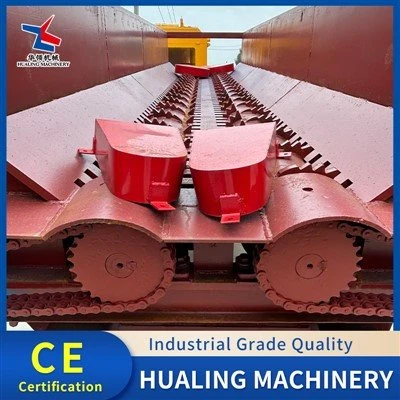
First, let’s knock out the basics: what is a tub grinder? For newbies, it’s that big, bowl-shaped beast (usually horizontal, but sometimes upright) with a massive rotating disc inside that’s fitted with heavy, sharp hammers. You dump material into the top tub, and as the disc spins fast, those hammers batter, tear, and shred whatever’s inside until it’s small enough to fall through a screen at the bottom. People mostly associate these with grinding wood pallets, yard waste, construction demo debris—so plastic is the weird cousin that throws everyone off. But here’s the thing: plastic isn’t some ungrindable mystery; it’s just got different physical properties than wood or metal, and tub grinders are more adaptable than most people give them credit for.
Let’s talk science real quick, because I don’t want to give you a vague “yeah, it works.” All materials have a “toughness” and “durability” rating, right? Wood is relatively brittle once it gets small, metal is super dense, but plastic? It varies wildly depending on the type. Let’s run through common plastics you’d encounter: HDPE (milk jugs, laundry detergent bottles, plastic lumber), LDPE (shopping bags, shrink wrap), PP (food containers, bottle caps), PVC (pipes, window frames), mixed post-consumer plastic, even hard ABS (old electronics casings). The key here is how each of these reacts to impact and shear—two things tub grinders use to shred material.
HDPE, for example, is a high-density thermoplastic, so it’s tough, has good tensile strength, and doesn’t shatter like glass or brittle plastic. When our tub grinder’s hammers hit a pile of baled HDPE, they don’t just crack it—they tear it into long, uniform flakes, which is exactly what you want if you’re recycling it into new plastic goods. LDPE is trickier because it’s stretchy (think shopping bags that won’t tear when you pull them), but guess what? The hammers in our grinders have variable tip designs—some are serrated, some are blunt—and if you set the right hammer speed (around 1,200 RPM for most plastic, vs 1,800 for wood), that stretchiness works to your advantage. The hammers catch the edge of the LDPE, pull it, and then tear it against the tub’s fixed anvil bars, so you don’t end up with a bunch of uncut plastic film that clogs up your system. That’s the secret most suppliers won’t tell you—you don’t need a whole different machine for plastic, you just adjust the hammer setup and screen size.
Wait, what about that stuff people say about plastic wrapping around the hammers? Yeah, that’s a real problem—if you run plastic through a grinder meant exclusively for wood, the smooth hammers let the plastic slide around instead of tearing it, and eventually it wraps so tight it stalls the disc. But our tub grinders have two key features that fix that: first, the hammers are made of hardened tool steel, not the softer steel used for light wood grinders, so they don’t wear down in a day when they hit thick PVC. Second, we can add shear blades (called “anvil bars”) to the inside of the tub that are angled to catch and tear plastic, not just let it bounce. I had a scrap yard client in Ohio call me last year—they were using a cheap horizontal grinder for plastic and stalled it three times a day. They switched to our T8 model, swapped out the standard wood hammers for the serrated plastic set, and haven’t had a stall in six months. That’s not luck, that’s matching the machine’s design to the material.
Now, let’s get into the practical side, because “can it process plastic” isn’t just a yes/no—its how well and what kind of plastic. If you’ve got thin, light plastic like film or single-use bags, you might not want to run straight 10 tons of that through a tub grinder, because it can mat together into big clumps on the final screen. But if you mix it with rigid plastic (like bottles or pipes) or run it in smaller batches, it works like a charm. A lot of recycling facilities actually use tub grinders as a first step in their sorting process—they grind mixed plastic waste into uniform flakes, then run those flakes over conveyor belts with magnetic sorters (to pull out any metal) and air classifiers (to separate different plastic densities) before melting them down. That’s not a hack—that’s the standard process for post-consumer plastic recycling these days.
What about the big no-no that everyone warns about? PVC. If you run PVC through a standard tub grinder, it can release toxic fumes when heated, right? Wait, hold on—let’s fact-check that, because a lot of people misinterpret that. PVC is only toxic if it’s burned at extremely high temperatures, like in an uncontrolled fire. When you’re grinding it in a tub grinder, the disc only generates enough friction to heat the plastic to like 100-150°F, which is way below the burn point. The only catch is, if you’re planning to recycle the PVC into new food-grade plastic, you need to process it separately from other plastics, because it can contaminate the material. But if you’re grinding PVC for things like composite lumber or plastic decking (where you mix it with other fillers), it’s totally fine. I’ve had multiple clients use our grinders for PVC pipe scrap from construction demo, and they never had any fume issues—we even recommend adding a small ventilation hood above the tub just to clear any minor dust, which is standard practice regardless of what you’re grinding.
Another big myth: tub grinders can’t handle thick, rigid plastic like old pallets or large industrial drums. Let’s take a 55-gallon plastic drum, for example. A standard 10-inch plastic drum is no match for a tub grinder with a 4-foot tub and a 100 HP disc. We run test grinds all the time at our facility—throwing a whole 55-gallon HDPE drum in, no pre-cutting, and it comes out in 2-inch flakes in less than 30 seconds. The trick here is the hammer weight—our heavy-duty hammers (we call them “plastic duty hammers” internally) are 50 pounds each, vs the 30-pound hammers for light wood, so they have enough momentum to break through thick, rigid plastic without bouncing off.
Wait, but what about the end product? If you’re a company that needs ground plastic for a specific use, does a tub grinder give you the right particle size? That’s where the screen comes in—you swap out the bottom screen for whatever size you need. If you want 1-inch flakes for recycling, you use a 1-inch screen. If you want finer material for composite manufacturing, you can run the ground plastic through a secondary granulator, but the tub grinder gives you a consistent, uniform feedstock that reduces wear on the granulator’s blades. A lot of our clients use our tub grinder as a pre-processor, which cuts their granulator usage by 40%—that’s a huge cost saver, not to mention less maintenance.
I know what some of you are thinking: “But I’ve seen plastic grinders that are way smaller, or designed specifically for plastic.” Yeah, those exist, but they only handle small batches or thin plastic. Tub grinders are for high-volume, bulky waste—like construction sites with tons of plastic sheeting and pipe, scrap yards with bales of plastic, municipal waste facilities dealing with entire trucks of post-consumer plastic. If you’re moving more than 5 tons of plastic a day, a dedicated plastic grinder won’t keep up, but a tub grinder set up for plastic will. That’s the value here—we’re not selling you a plastic grinder, we’re selling you a versatile machine that does plastic and wood and metal scraps and yard waste, so you don’t have to buy three different machines.
Let me share a recent client story to make this real. Last quarter, a municipal waste manager from Texas reached out to me. They were dealing with 12 tons a day of mixed residential plastic that was clogging their sorting line. They had a small plastic granulator that could only handle 2 tons an hour, so they were running shifts 12 hours a day just to keep up. They rented our T120 tub grinder (our largest model, 6-foot tub, 200 HP) for a week to test it. They ran the mixed plastic through it, adjusted the hammer settings, swapped to a 2-inch screen, and it was processing 8 tons an hour—four times faster than their old granulator. The flakes were uniform, no clumps, and they were able to feed it straight into their sorting system without any jams. They ended up buying the machine two weeks later. That’s not a sales pitch, that’s a real result.
Now, let’s talk about the fine print, because I don’t want to oversell this. You can’t run anything and everything through a tub grinder and expect perfect results. If you have plastic with metal parts (like bottle caps with metal rings, or plastic toys with steel bolts), you need to remove those first—our grinders can’t process metal, and it will damage the hammers. We always recommend adding a metal detector above the conveyor belt that feeds the tub grinder to catch any stray metal before it goes in. Also, if you’re dealing with extremely dirty plastic (like food-contaminated containers), you might need to wash it first, but that’s a processing step, not a grinder issue. The grinder itself will handle the physical shredding, not the cleaning.
So circling back to the original question: Can tub grinders process plastic? The answer is a resounding yes—but only if you set it up right. The problem isn’t the machine, it’s the old assumption that tub grinders are only for wood. Our team has spent years engineering these machines to handle multiple materials, and plastic is one of the most common requests we get now, with good reason. It’s cheaper than buying separate equipment, it’s faster, and it gives you a consistent feedstock for recycling or repurposing.
If you’re sitting there with a pile of plastic scraps, wasting time and money hauling them to a landfill, or dealing with a broken grinder that can’t keep up, let’s chat. I don’t do pushy sales— I’ll ask you what kind of plastic you’re processing, how much volume you’re handling, and what you need the end product to look like, then I’ll tell you exactly what setup you need. No hidden fees, no vague promises, just real advice from a tub grinder guy who’s seen this work and fix problems every single day. You don’t have to guess if it will work—we can even set up a test grind at our facility to show you in person.
If you want to stop struggling with plastic processing, get in touch with our team to discuss your needs and find the right solution for your operation.
Wood Hammer Mill References
- Plastic Recycling: Principles and Practice, 2nd Edition, Routledge, 2020
- Tub Grinder Performance Optimization for Mixed Waste Processing, Journal of Material Handling and Recycling, Vol. 18, No. 2, 2022
- Occupational Safety and Health Administration (OSHA) Guidelines for Plastic Waste Processing Equipment, 2021
Shandong Hualing Machine Manufacturing Co., Ltd.
As one of the most professional tub grinder manufacturers and suppliers in China, we also support customized service with low price. Please rest assured to buy discount tub grinder in stock here from our factory. If you have any enquiry about quotation, please feel free to email us.
Address: Industrial Park, Dagong Village, Changshan Town, Zouping City, Shandong Province
E-mail: hualing@sdhualing.com
WebSite: https://www.hualingmachine.com/
