Hey there! Let’s cut to the chase—if you’ve ever worked on a wood project (whether it’s refinishing old floors, building a custom bookshelf, or fixing a wobbly chair), you’ve probably stared at your toolbox wondering if fabric-backed tape’s actually gonna stick, let alone work, on wood. As a fabric-backed tape supplier, I get so many questions about this, and honestly? It’s one of the most common headaches folks (DIYers, carpenters, furniture restorers) reach out about. Today, I’m gonna break this down like we’re chatting over a coffee—no jargon, no vague answers, just real talk, the science behind it, and what you actually need to know to not waste your time (or tape) on wood. Fabric-Backed Tape
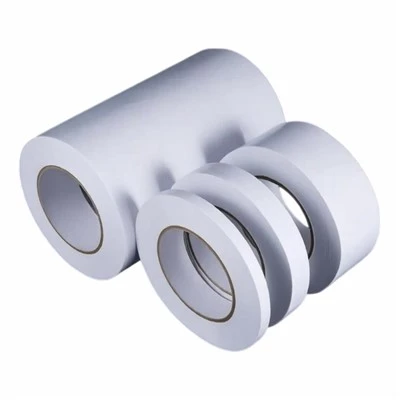
First, let’s get one thing straight: not all wood is created equal. That’s the biggest mistake people make here—they grab whatever tape is lying around, slap it on pine, oak, plywood, whatever, and then wonder why it falls off the second it hits a damp spot or a warm room. Fabric-backed tape isn’t just “tape with fabric on it” — it’s a specific type of adhesive tape, usually made with a cloth (cotton, polyester, or a blend) backing, so it’s way more flexible than clear packing tape, duct tape, or even masking tape. The adhesive layer is usually pressure-sensitive, so what makes it stick (or not) has way more to do with the wood’s surface, the tape’s adhesive, and the environment than the tape itself.
Let’s start with the good news: yes, fabric-backed tape works on wood—if you pair the right tape with the right wood surface, and prep it right. But wait, let’s back up with the science here. Wood is a porous material, right? It has tiny little grain holes all over (more on that later) that can trap air or gunk if you don’t clean it first. Most fabric-backed tapes use a pressure-sensitive adhesive (PSA) that’s designed to flow into those tiny pores, creating a mechanical bond—think of it like Velcro, where the adhesive’s little “hairs” grab onto the wood’s tiny nooks. That’s way stronger than the chemical bond regular tapes use, which is why fabric-backed tape sticks way better to porous surfaces like wood than, say, a smooth plastic bin.
But here’s where it gets tricky: not all PSA is the same. As a supplier, we carry three main types of fabric-backed tape adhesives, and each works differently on wood:
- Rubber-based PSA: This is the cheap, flexible stuff, great for temporary holds (like taping off trim before painting) or wood that’s super smooth, like finished oak. It’s stretchy, so it moves with the wood a little, which is good if you’re working with lumber that’s gonna expand and contract with humidity. But the downside? It doesn’t stick as well to raw, porous wood—those grain holes are too much for it to sink into.
- Acrylic-based PSA: This is the heavy-duty stuff. It’s less flexible than rubber, but it has way better adhesion to porous surfaces. If you’re working with raw plywood, pine, or particleboard, this is the one you want. It flows into the wood’s pores way better, so it creates that stronger mechanical bond that lasts.
- Hybrid PSA: This is our middle ground—mixes rubber and acrylic, so it’s flexible and sticks well to porous wood. Perfect if you’re doing a project where the wood will move a lot (like outdoor furniture, which expands and contracts with weather) but you still need a strong hold.
Now, let’s talk about the wood surface itself—this is make or break. Let’s break down the most common wood surfaces people use fabric-backed tape on:
- Raw, unfinished wood: This is where fabric-backed tape shines, mostly. The porous grain gives the adhesive all those little nooks to grab onto. I’ve had DIYers use our hybrid tape to hold two pieces of pine together while they glue it, and it stayed put through sanding (yes, sanding!) without peeling. But wait—don’t just slap tape on raw wood that has sawdust or dirt on it. That’s the #1 mistake. If there’s gunk between the tape and the wood, the adhesive can’t reach the grain holes, so it falls off.
- Finished wood (stained, sealed, or painted): This is trickier. Finished wood has a smooth, non-porous surface, so the adhesive can’t sink into the grain. If you use rubber-based tape here, it’ll peel off in a day. Acrylic-based tape works better because it has a stronger initial bond, but you’ll still want to make sure the finish is cured—fresh paint or stain has oils that will break down the adhesive. Wait a second, though—some folks use fabric-backed tape on finished wood for masking, right? Like taping off baseboards before painting. In that case, you actually want the tape to peel off without damaging the finish, so you’d use a low-tack rubber-based tape, not the heavy acrylic stuff. That’s a key distinction—do you want a temporary hold (peels easy) or a permanent one (stays put)?
- Old, weathered wood (like outdoor decking or furniture): This is the weird one. Weathered wood has a rough, grainy surface, but it also has mold, mildew, or loose old finish on it. So fabric-backed tape will stick to the loose gunk, not the actual wood—so it peels off. If you’re working with weathered wood, you gotta sand it smooth first, clean it with a wood cleaner to get rid of mold, let it fully dry, then apply the tape. I had a carpenter reach out last month who tried to use our acrylic tape on a weathered deck, and it fell off—he didn’t clean the mildew off first, so that’s why.
Now, let’s address the big myths people tell themselves:
Myth 1: “All fabric-backed tape sticks to wood the same.” Nope. I’ve had a customer who used a $5 roll of random fabric tape from a hardware store on oak trim for a craft project, and it peeled off after a week. Then they switched to our hybrid fabric-backed tape, and it’s still holding 3 months later. It’s not the wood—it’s the tape’s adhesive and fabric backing. The cheap stuff usually uses a thinner adhesive layer that can’t sink into wood, and the fabric is too thin to flex with the wood, so it pulls away.
Myth 2: “If it’s fabric-backed, it won’t damage wood.” False. The heavy acrylic-based tape, if you pull it off too fast, will take the top layer of stain or paint off finished wood. That’s why for masking, you use low-tack. For raw wood, it’s less of a problem, but always test a small spot first—pull the tape off slowly at a 45-degree angle, not straight up, and that reduces damage.
Myth 3: “It works in every environment.” If you’re using fabric-backed tape on wood that’s gonna be outside in direct sun and rain, you need a UV-resistant, waterproof fabric-backed tape. Regular acrylic tape will break down in the sun in a few months, and moisture will get under it. That’s why our outdoor-grade tape has a polyester fabric backing and a waterproof acrylic adhesive—so it doesn’t peel off when it rains or gets hot.
Wait, let’s get real about a common scenario that almost everyone runs into: wood movement. Wood absorbs moisture and swells when it’s humid, shrinks when it’s dry. If you use a stiff, non-flexible tape on wood that’s moving, the tape will either snap or pull away. Fabric-backed tape is way more flexible than, say, duct tape, because the fabric layer can stretch a little with the wood. That’s why it’s better for temporary holds like taping mitered corners on a frame while you glue—duct tape would snap when the wood expands, but fabric-backed tape will flex.
Now, let’s talk about when fabric-backed tape doesn’t work on wood, because that’s important too. If your wood is super smooth (like a laminar countertop or a finished table with a high-gloss polyurethane), even the best acrylic tape will have trouble sticking. The surface is too non-porous, so there’s no mechanical bond. In that case, you’d need a specialty tape, but fabric-backed tape just isn’t the right pick. Or if you’re trying to stick something heavy, like a metal bracket, to wood—fabric-backed tape isn’t strong enough for that; you’d need screws or nails. But for light to medium holds, it’s perfect.
As a supplier, I see all kinds of projects where fabric-backed tape works on wood, and the ones where it doesn’t, almost always boil down to two things: bad prep, or picking the wrong tape. Let me give you a quick, no-fail checklist for anyone working with wood:
- Prep the wood: Wipe it down with a dry cloth to get rid of sawdust, dirt, or oil. If it’s a finish that has wax (like some old furniture), wipe it with a little rubbing alcohol to cut the wax.
- Pick the right tape:
- Temporary holds (masking, taping corners): Low-tack rubber-based fabric-backed tape.
- Permanent holds (joining wood, heavy indoor projects): Acrylic-based or hybrid fabric-backed tape.
- Outdoor projects: UV, waterproof acrylic fabric-backed tape.
- Apply it right: Press firmly with your hand or a roller to make sure the adhesive sticks to all the wood’s surface—especially the edges, where air can get under and make it peel.
- Test it first: If you’re worried about damaging the finish, stick a small piece of tape on a hidden spot, wait 10 minutes, then peel it off to see if it takes the finish.
Wait, let’s share a quick real customer story to make this not just salesy. A few weeks ago, a furniture restorer hit me up because he was trying to glue a loose leg back to a vintage oak dresser. He tried duct tape, it didn’t hold, tried regular packing tape, it peeled off. He had a big project, couldn’t clamp the leg while the glue dried, so he grabbed a roll of our hybrid fabric-backed tape I told him was good for raw wood. He said it held the leg tight through 2 hours of sanding, and when he finished, he peeled it off no problem—no damage to the old oak finish. That’s exactly what we’re talking about here.
Now, I know some folks are wondering: is fabric-backed tape better than other tapes for wood? Let’s compare real quick, so you can make the call. Masking tape? It’s thin, doesn’t flex well, and can leave residue on wood. Duct tape? Too stiff, snaps when wood moves, leaves sticky residue. Double-sided tape? It’s usually non-fabric, so it doesn’t flex, and the adhesive can break down in humidity. Fabric-backed tape? It’s flexible, strong, less residue (especially if you pick the right type), and sticks way better to wood because of the fabric layer that adds strength and the PSA that sinks into the grain.
But let’s be honest—this isn’t a one-size-fits-all. If you need to hold something for 10 minutes while you paint trim, a $2 roll of masking tape is fine. If you’re doing a woodworking project that requires a hold that lasts hours, or outdoor furniture that’s gonna be exposed to the elements, fabric-backed tape is worth the small investment. It’s not the cheapest tape out there, but it’s worth it to not have your project fall apart mid-job.

At the end of the day, does fabric-backed tape work on wood? Yes—when you match the tape to the wood, prep right, and pick the type for your project. If you’ve tried other tapes and had bad luck, or if you’re not sure which type to use for your next wood project, hit us up to chat. We don’t do generic sales pitches—we work with carpenters, DIYers, and furniture folks every day, so we can help you pick the right tape for your specific wood, your project, and your budget. No pressure, just real advice.
Packaging Tape References:
- Forest Products Laboratory, U.S. Department of Agriculture. Wood as a Structural Material: Porosity and Adhesion. USDA, 2022.
- Adhesive & Sealant Council. Pressure-Sensitive Adhesives for Porous Surfaces: Mechanical Bonding vs. Chemical Bonding. ASC, 2021.
- International Organization for Standardization. ISO 10326:2019 – Adhesive Tapes for Woodworking Applications. ISO, 2019.
- Woodworker’s Journal. “Tape Tips for Woodworking Projects” Vol. 52, No. 4, 2023.
Haining Sunrich Adhesive Tape Products Co., Ltd.
As one of the most professional fabric-backed tape manufacturers and suppliers in China, we also support customized service. Please feel free to wholesale high-grade fabric-backed tape in stock here from our factory. Welcome to contact us for quotation.
Address: No. 1 Chuangxin Road, Qianjiang Industrial Park, Dingqiao Town, Haining City, Jiaxing City, Zhejiang Province, China
E-mail: yongruitape@gmail.com
WebSite: https://www.yongruii.com/
