Preservatives and biocides play a crucial role in various industries, from food and beverage to cosmetics and industrial applications. They are used to prevent the growth of microorganisms, extend product shelf – life, and maintain product quality. When it comes to preservatives and biocides, they can be classified into liquid and solid forms, each with its own unique characteristics, advantages, and limitations. As a supplier of preservatives and biocides, I have had the opportunity to work closely with different types of clients and understand the in – depth differences between these two forms. Preservatives & Biocides
Physical Properties
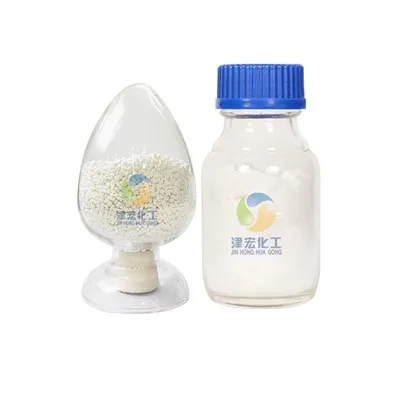
The most obvious difference between liquid and solid preservatives and biocides lies in their physical states. Liquid preservatives are in a fluid form, which makes them easy to handle and mix. They can be quickly and evenly dispersed in liquid – based products. For example, in the production of shampoos or liquid detergents, liquid preservatives can be added directly to the formulation, and with a simple stirring process, they can be uniformly distributed throughout the product.
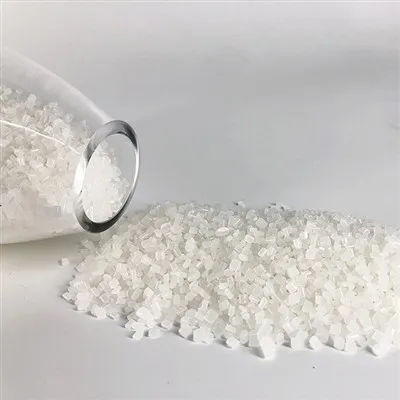
On the other hand, solid preservatives are in a non – fluid state, usually in the form of powders, granules, or crystals. They require more effort to dissolve or disperse. In some cases, they need to be pre – dissolved in a suitable solvent before being added to the product. For instance, when using a solid preservative in a paint formulation, it first needs to be dissolved in a small amount of the paint’s solvent to ensure proper dispersion.
Solubility and Compatibility
Liquid preservatives generally have better solubility in water or other solvents commonly used in product formulations. This high solubility allows for easy incorporation into a wide range of products, especially those with high water content. They are also more compatible with many liquid – based ingredients, reducing the risk of phase separation or precipitation. For example, in the food industry, liquid preservatives can be easily added to fruit juices or dairy products without causing any visible changes in the product’s appearance or texture.
Solid preservatives, however, may have limited solubility. Some solid preservatives are only sparingly soluble in water, which can pose challenges in formulating products. In addition, their compatibility with certain ingredients may be an issue. For example, in a cosmetic product, a solid preservative may react with some of the oil – based ingredients, leading to the formation of clumps or an uneven distribution of the preservative in the product.
Efficacy and Release Rate
The efficacy of a preservative or biocide depends on its ability to reach and inhibit the growth of microorganisms. Liquid preservatives can quickly spread and come into contact with microorganisms in a product. Their fluid nature allows them to penetrate into the product matrix more easily, providing rapid protection. For example, in a liquid hand sanitizer, the liquid preservative can immediately start working to kill bacteria and viruses on contact.
Solid preservatives, on the other hand, have a slower release rate. They need to dissolve first before they can exert their antimicrobial effects. This slow release can be an advantage in some cases, as it provides a more sustained protection over a longer period. For example, in a slow – release biocide used in water treatment systems, the solid biocide gradually dissolves and releases its active ingredients, continuously protecting the water from microbial contamination.
Storage and Stability
Liquid preservatives are more prone to evaporation, especially those with low boiling points. They also require proper storage conditions to prevent microbial growth in the preservative itself. For example, if a liquid preservative is stored in a warm and humid environment, it may become contaminated, reducing its effectiveness. Additionally, some liquid preservatives may be sensitive to light, which can cause degradation over time.
Solid preservatives are generally more stable during storage. They are less likely to evaporate and are more resistant to microbial contamination. They can be stored for longer periods without significant loss of efficacy. However, they need to be protected from moisture, as moisture can cause them to clump or dissolve prematurely.
Cost and Handling
In terms of cost, liquid preservatives may be more expensive on a per – unit – volume basis. This is because they often require more complex manufacturing processes and packaging to maintain their stability. However, the ease of handling and mixing can offset some of these costs, as it reduces labor and processing time.
Solid preservatives are usually less expensive in terms of raw material cost. They are easier to transport and store due to their lower volume and weight. However, the additional steps required for dissolution and dispersion can increase the overall processing cost.
Applications
Liquid preservatives are widely used in products where rapid and uniform distribution is required. They are commonly found in liquid – based products such as beverages, cosmetics, and cleaning agents. For example, in the production of soft drinks, liquid preservatives are added to prevent the growth of bacteria and yeast, ensuring the product’s safety and quality.
Solid preservatives are often used in products where a slow – release effect is desired or where the product is in a solid or semi – solid form. They are commonly used in foods such as dried fruits, where they can provide long – term protection against mold and bacteria. In the construction industry, solid biocides are used in paints and coatings to prevent the growth of fungi and algae on building surfaces.
Environmental Impact
The environmental impact of liquid and solid preservatives and biocides can also differ. Liquid preservatives may be more likely to enter water systems due to their solubility. If not properly managed, they can have an impact on aquatic ecosystems. Some liquid preservatives may be toxic to fish and other aquatic organisms.
Solid preservatives, on the other hand, are less likely to be released into the environment in large quantities. However, if they are not disposed of properly, they can still pose a risk. For example, if solid biocides are dumped in landfills, they may leach into the soil and groundwater over time.
Conclusion
In conclusion, both liquid and solid preservatives and biocides have their own unique advantages and disadvantages. The choice between them depends on various factors, including the nature of the product, the desired efficacy, storage conditions, cost, and environmental considerations. As a supplier of preservatives and biocides, I understand the importance of providing the right solution for each client. Whether you need a liquid preservative for a quick – acting protection in a liquid product or a solid biocide for a long – term, slow – release application, we have the expertise and products to meet your needs.
Polyhexamethylene Biguanide If you are in the market for high – quality preservatives and biocides, I encourage you to reach out to us for a detailed discussion. We can help you select the most suitable product for your specific application, provide technical support, and ensure that you get the best value for your investment. Let’s work together to protect your products and ensure their long – term quality.
References
- Block, S. S. (2001). Disinfection, Sterilization, and Preservation. Lippincott Williams & Wilkins.
- Russell, A. D., Hugo, W. B., & Ayliffe, G. A. J. (2004). Principles and Practice of Disinfection, Preservation and Sterilization. Blackwell Publishing.
- Kramer, A., & Gilbert, P. (2009). Handbook of Antimicrobial Resistance. Wiley – Blackwell.
Hebei Jinhong Chemical Co., Ltd.
Hebei Jinhong Chemical Co., Ltd. is one of the most professional preservatives & biocides manufacturers and suppliers in China. With abundant experience, we warmly welcome you to wholesale high quality preservatives & biocides made in China here and get pricelist from our factory. For price consultation, contact us.
Address: North of Fazhan Road, East of Qingyuan Road, Nanbao Development Zone, Tangshan City, Hebei Province
E-mail: kevin@hbjhchemical.com
WebSite: https://www.hbjhchemical.com/
