When I first started working in bicycle inner tube supply back in 2012, I thought picking the right inner tube was as simple as matching your wheel size. Early on, I’d get calls from customers panicking because their new tube blew out on the first ride, or they struggled to get a tire to seat properly on a Sunday morning before a group ride. Over the years, I’ve realized valve type is one of the most overlooked pieces of the puzzle—and also one of the most critical. If you’re a casual rider, a competitive racer, or someone who just wants a reliable tube for your daily commute, getting the valve right can make every ride smoother, safer, and less stressful. Let’s break down how to find the perfect valve type for your bike, based on what I’ve learned working with hundreds of riders and tweaking our product lines over the last decade. Bicycle Inner Tube
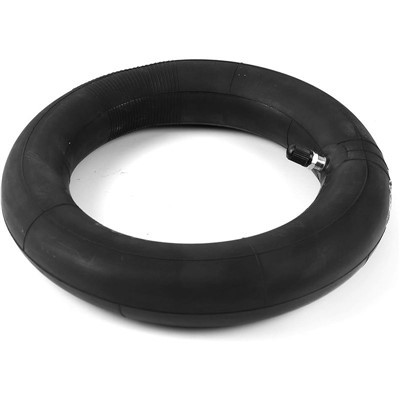
First, let’s start with the two main valve types you’ll encounter, because everything stems from these two: Presta and Schrader. I’ve had new riders tell me they think valves are universal, or that one works exactly like the other, and that’s where mistakes start. Let’s go through each one, from how they work to who they’re best for, so you can tell which one fits your bike and your needs.
Schrader valves are the ones you’ll recognize from car tires—short, thick, with a little metal stem and a capped center that you press to open. They’re the workhorse valve, and I’d guess about 40% of the inner tubes we sell have Schrader valves. They’re super easy to use, which is why they’re standard on most kids’ bikes, cruisers, and commuter bikes. If you’ve ever used a gas station air pump to top off your bike tires, that’s a Schrader valve—no fancy adapters needed. That convenience is a huge plus for casual riders. I remember a customer last summer, a teacher who rides 5 miles each way to work, told me she’d never changed a tube before because she was scared of messing with something complicated. “The Schrader valve,” she said, “felt like something I could just plug the pump into and go.” She brought her bike in, we walked her through swapping a flat, and she texted me a week later saying she’d changed another one on her own during her lunch break. That’s the Schrader’s sweet spot: accessibility.
But Schrader valves have downsides, too, especially for road and mountain bikers who care about weight. They’re bulkier than Presta valves, which adds a little extra gram to your wheel—nothing noticeable on a daily commute, but if you’re racing crits or doing long-distance century rides, every gram counts. Schrader valves also have a metal pin in the center that can get bent or stuck if you over tighten the cap, or if debris gets in when you’re changing a flat. We’ve had a handful of customers send back Schrader tubes that wouldn’t hold air, and most of the time it’s because someone accidentally bent that pin while prying the old tube out of the tire. Another thing to note about Schrader valves: they come in different lengths, just like Presta. The standard length for a 26-inch mountain bike is about 35mm, for example, while a road bike Schrader might be 48mm. If you get the length wrong, the valve will either be too short to thread through the rim, or too long and stick out where it can get knocked and damaged.
Now Presta valves—these are the thin, long valves you’ll see on most road bikes, high-end mountain bikes, and performance hybrids. When I first switched our road line to mostly Presta years ago, I was worried casual riders would be confused, but once I explained how they work, most people get it pretty quickly. Presta valves have a small screw at the top, not a center pin. To open it, you unscrew that nut at the top, push the valve down gently, and then air flows in or out. To close it, you just pull the valve back up until it clicks, then tighten the nut. It sounds like an extra step, but Presta valves have a big advantage for performance: they’re lighter, thinner, and seal better. The narrow stem makes it easier to fit on rims with tight valve holes, which is common on carbon wheels, because carbon rims are lighter and stiffer, and they don’t have to account for the wider Schrader valve. That’s a big one for road riders—carbon rims are super popular now, and if you try to force a Schrader valve into a narrow rim hole, you risk cracking the rim. I’ve seen that happen a few times, and it’s an expensive mistake.
Presta valves also hold air pressure more consistently, which is critical for high-performance riding. If you’re running 80-130 PSI on a road bike, a Presta valve’s tight seal keeps that pressure from seeping out over days, whereas a Schrader might lose a little air here and there, meaning you have to top it off more often. The downside of Presta is that they require a specific pump adapter. You can’t just use the gas station pump like you can with Schrader—you need a small adapter that fits over the Presta valve to connect to a floor pump or track pump. For most riders, that’s not a big deal—most people who own road or performance bikes already have a pump with a dual head that works for both, but if you’re casual and don’t want to carry extra parts, Presta might be a minor hassle. Also, Presta valves come in much longer lengths than Schrader, which is a key point I wish more customers knew. A standard road bike might need a 60mm Presta valve, but some deep-section carbon rims (those are the rims with the tall, aerodynamic sides) need 80mm or even 100mm valves. If you buy a 60mm valve and put it on an 80mm deep rim, the valve will be too short, and when you inflate the tire, you can’t get the valve to lock in place, leading to leaks. That’s one of the most common mistakes I help customers fix when they call in panic.
Now, beyond just Presta vs. Schrader, there are a few other valve factors you need to consider, depending on your bike and how you ride. Let’s talk about tube type—inner tubes come in butyl, latex, and now even performance rubber, and each pairs differently with valves, but also ties into how much air pressure you need. Latex tubes are popular for road racing because they’re lighter and have lower rolling resistance, but they’re more fragile than butyl, and you have to be careful not to overinflate them. They almost always use Presta valves, so if you’re looking for a latex tube, you’re automatically looking at Presta. Butyl is the standard, affordable tube we all grew up with, and it’s available in both valve types. It’s durable, holds air well, and works for every type of riding. We also make a puncture-resistant butyl tube, which is great for commuters who ride on potholed roads or gravel, and those come in both Schrader and Presta options.
Another factor is rim depth, which I touched on earlier, but it’s worth repeating because it’s so common. Let’s say you have a road bike with 50mm deep carbon rims. The valve stem has to be long enough to go all the way through the rim. The total length of the valve, when installed, has to extend at least 5mm beyond the rim’s surface, so the pump can connect properly. If you get a valve that’s too short, the pump adapter won’t reach, and you’ll have to deflate the tire to adjust it—something no one wants to do when they’re in a hurry to get to work or a ride. For mountain bikes, rim depth is usually a non-issue because rims are wider and shallower, but e-bikes are a whole other category. I can’t tell you how many calls we get from e-bike owners. E-bikes run much higher pressure (sometimes 50-75 PSI for mountain e-bikes, even more for road e-bikes) and many come with Schrader valves, but not always. Always check your bike’s manual, but if you’re unsure, measure the valve hole on your rim and count the threads—Schrader valves have a threaded base that screws into the rim, while Presta just pushes through and is held in by the nut on top.
Now, let’s walk through a quick test you can do right now to figure out what valve you have, if you’re unsure. First, grab your wheel. Look at the stem that sticks out of the tire. If it’s short (1-2 inches) and thick, with a metal center pin, that’s Schrader. If it’s long (2-3 inches or more) and thin, with a small screw at the top, that’s Presta. If you want to double-check, try unscrewing the top part. If it comes off easily and you can push the center pin in, that’s Schrader. If it’s a small nut that takes a little more effort to turn, and there’s no pin in the center, that’s Presta. Once you know which one you have, the next step is checking the length. To measure a Presta valve, use a ruler and measure from the very bottom of the stem (where it attaches to the tube) to the top of the valve cap area. For Schrader, same thing—measure from the base to the top. I always tell customers to add 5mm to that measurement to be safe, because you want extra length to make sure it clears the rim, especially if you have deep rims.
There are also some specialized valve options these days, for riders who have very specific needs. Some brands make tubeless ready inner tubes with Presta valves, which combine the best of inner tubes and tubeless systems—they have a sealant built in, and the valve is designed to hold air without a tube. We don’t stock a ton of these because most riders who go tubeless do it without inner tubes, but if you’re someone who wants the reliability of a tube but the low puncture risk of tubeless, these are an option. Another specialty valve is the Woods valve, also called a Dunlop valve—this is common on older bikes, mostly in Europe, and it’s a middle ground between Presta and Schrader. It has a center pin like Schrader, but it’s thinner, and you use a Presta adapter to pump it up. If you have an old or vintage bike, that’s probably what you have, and those are available too, though they’re less common here in the US.
Now, let’s talk about common mistakes I see all the time, because even after 10 years in this business, I still see riders make these. First, buying a tube just for the valve type and not matching the wheel size. Valve size is useless if the tube is too small for your tire—always match your tube to your wheel size (like 700c for road, 26-inch for old mountain bikes, etc.) as well as the valve type and length. Second, forcing a valve into a rim hole. If your Schrader won’t fit through the rim, don’t bend it or force it—measure the rim hole size, and if it’s narrow, switch to Presta. Bending a valve stem can lead to leaks or a blowout, which is dangerous. Third, not checking the valve length when you buy a new tube. I had a customer last month who bought a 60mm Presta for his 80mm deep carbon rim, and when he tried to inflate it, the valve was so short he couldn’t get the pump to connect. He ended up taking a day off work to go to the bike shop, and we had to overnight him a longer tube—cost him more in shipping and time than if he’d just measured the rim depth first. Fourth, forgetting to open the valve when you inflate it. I’ve seen people spend 10 minutes pumping a tire, only to realize they didn’t unscrew the Presta nut or push the Schrader pin in. That’s a silly mistake, but it happens to everyone when they’re in a hurry.
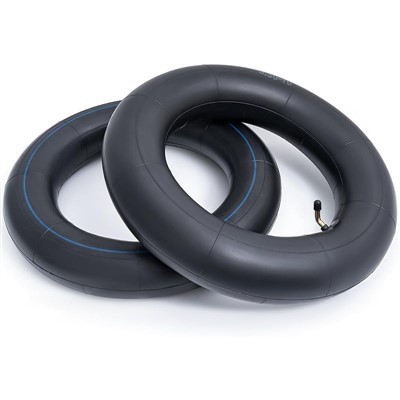
At the end of the day, the right valve type comes down to your bike, your riding style, and how comfortable you are with small maintenance tasks. If you have a kids’ bike, a cruiser, or a commuter you just use to run errands, a Schrader valve is perfect—easy to pump, no adapters needed, and reliable. If you have a road bike, high-end mountain bike, or carbon rims, Presta is the way to go for weight, rim compatibility, and pressure consistency. If you’re not sure, or you need help picking the right valve and length, don’t guess. Reach out to us as a bicycle inner tube supplier—we’ve helped thousands of riders, from beginners to pro teams, pick the right parts for their bikes, and we can walk you through checking your rim, measuring your valve, and finding the perfect tube. Whether you need a single replacement tube or a bulk order for a bike shop, we have options for every valve type, every rim depth, and every riding style. We’ve been in this industry long enough to know that a good valve makes all the difference between a great ride and a flat on the side of the road, so let us help you get it right.
Motorcycle Tube Reference
- Bicycling Magazine. (2021). “A Guide to Bicycle Valve Types: Presta, Schrader, and Dunlop.”
- United States Cycling Federation (USCF). (2020). “Technical Guidelines for Bicycle Inner Tubes and Valve Compatibility.”
- Park Tool Company. (2019). “Bicycle Tire and Tube Maintenance Manual: Valve Selection and Installation.”
- European Bicycle Manufacturers Association (EBMA). (2022). “Standards for Bicycle Valve Stems and Rim Compatibility.”
Jiangxi Vimia Tyre Co., Ltd.
We’re well-known as one of the leading bicycle inner tube manufacturers and suppliers in China. We warmly welcome you to wholesale bulk high quality bicycle inner tube in stock here from our factory. If you have any enquiry about quotation, please feel free to email us.
Address: Zone C, Industrial Park, Jinxi County, Fuzhou City, Jiangxi Province
E-mail: 17779452635@139.com
WebSite: https://www.cnvimia.com/
