Hey there! I’m a supplier of thick stone paper, and I often get asked this question: "Can thick stone paper be written on with a pen?" Well, let’s dive into this topic and find out. Thick Stone Paper
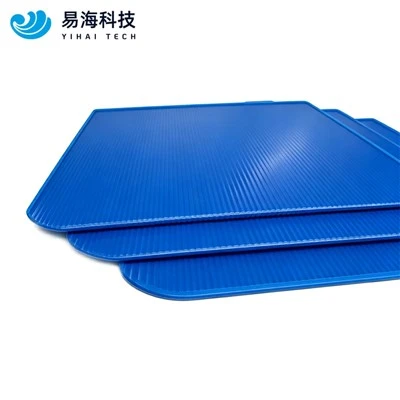
First off, what exactly is thick stone paper? It’s a type of paper made from calcium carbonate and a small amount of high – density polyethylene (HDPE). Unlike traditional wood – pulp paper, it doesn’t require the use of trees, which is a huge plus for the environment. And it’s thick, which gives it some unique properties.
So, can you write on it with a pen? The short answer is yes, but it depends on the type of pen you use.
Let’s start with ballpoint pens. Ballpoint pens are a common choice for writing on regular paper, and they work pretty well on thick stone paper too. The ink in ballpoint pens is thick and viscous, and it rolls out smoothly as the ball at the tip rotates. On thick stone paper, the ballpoint pen’s ink can adhere to the surface, although it might feel a little different compared to writing on regular paper. You might notice that the pen glides with a bit more resistance, but it’s definitely doable. The text you write will be clear and won’t smudge easily. This is great for everyday writing, like taking notes, writing letters, or making to – do lists.
Then there’s the gel pen. Gel pens have a water – based ink that’s more fluid than ballpoint pen ink. Writing with a gel pen on thick stone paper can be a mixed bag. On one hand, the smooth flow of the ink can make it easy to write quickly and create fine lines. However, the porous nature of the thick stone paper can sometimes cause the ink to spread a bit, especially if you press too hard. But if you write gently, the results can be quite nice. Gel pens are also good for adding some color to your writing, whether it’s for journaling or coloring in simple diagrams.
Fountain pens are a bit more tricky. Fountain pens use a liquid ink that flows through a nib onto the paper. The problem with using a fountain pen on thick stone paper is that the paper’s surface may not absorb the ink as well as traditional paper. This can lead to the ink pooling on the surface, causing smudging and uneven writing. However, if you have a fountain pen with a fine nib and you’re careful with your writing pressure, you might be able to get away with it. You may need to let the ink dry for a bit longer to avoid smudging.
Marker pens are another option. Permanent markers work well on thick stone paper. The ink in permanent markers is designed to adhere to a variety of surfaces, including non – porous ones. When you use a permanent marker on thick stone paper, the ink dries quickly and creates a bold, long – lasting mark. This is great for labeling, creating signs, or doing some simple art projects. On the other hand, dry – erase markers can also be used on thick stone paper. You can write on the paper with a dry – erase marker, and then easily wipe it off with a cloth or an eraser. This makes it useful for things like whiteboard – style notes or reusable planners.
Now, why would you want to write on thick stone paper in the first place? Well, there are several reasons.
One of the biggest advantages is its durability. Thick stone paper is water – resistant, tear – resistant, and has a long lifespan. Unlike regular paper, which can get wrinkled, soggy, or easily torn, thick stone paper can withstand a lot of wear and tear. This means that any writing you do on it will stay intact for a long time. For example, if you’re writing a field guide for outdoor activities, you won’t have to worry about it getting damaged by rain or getting ripped in your backpack.
Another reason is its environmental friendliness. Since it’s made from stone instead of wood pulp, producing thick stone paper has a much lower environmental impact. It saves trees and reduces water pollution associated with traditional paper production. So, if you’re someone who cares about the environment, using thick stone paper for your writing needs is a great choice.
Thick stone paper also has a unique texture. Some people actually prefer the feel of writing on it compared to regular paper. It gives a different tactile experience, which can make writing more enjoyable.
In our supply business, we’ve seen a growing demand for thick stone paper. Many schools are starting to use it for notebooks because of its durability and environmental benefits. Offices are also switching to thick stone paper for important documents and reports that need to last. And artists are using it for sketchbooks and paintings because of its unique surface properties.
If you’re interested in trying out thick stone paper for your writing or other needs, I highly recommend giving it a go. You might be surprised by how well it works with different types of pens. And if you’re a business or an organization looking to make a switch to a more sustainable alternative to traditional paper, we’re here to help.
Whether you’re a student, a professional, or an artist, thick stone paper has something to offer. It combines the functionality of regular paper with the added benefits of durability and environmental friendliness. So, don’t hesitate to reach out if you want to discuss procurement options. We can work together to find the right type of thick stone paper for your specific needs, whether it’s for bulk orders or small – scale usage.

In conclusion, thick stone paper can definitely be written on with a pen, as long as you choose the right pen for the job. It’s a versatile and eco – friendly alternative to traditional paper that’s worth exploring.
Corrugated Plastic Layer Pads References:
- "The Basics of Stone Paper Manufacturing", Industry Insights Journal
- "Comparative Study of Writing Surfaces: Stone Paper vs. Traditional Paper", Academic Research in Writing Materials
- "Environmental Impact of Stone Paper Production", Sustainable Materials Magazine
Jiangsu Jianglin Yihai New Material Science & Technology Co., Ltd.
Address:
E-mail: sales@yihaiplastic.com
WebSite: https://www.yihaiplastic.com/
