If you’re someone who’s looked into tanning peptides, you’ve probably come across Melanotan—two variants, Melanotan I and Melanotan II, that have grown in popularity for their ability to stimulate melanin production, the pigment that gives skin a darker, more even tone. But as a long-time Melanotan supplier, I know firsthand that the market is flooded with fakes, counterfeits, and mislabeled products that range from ineffective to potentially unsafe. I’ve heard countless horror stories from customers who wasted money on a powder that didn’t work, or even worse, ended up with a substance that caused unwanted side effects because it wasn’t the real deal. So, if you’re wondering how to tell if your Melanotan is the real thing, this guide is built from the lessons I’ve learned in this industry, the conversations I’ve had with hundreds of clients, and the scientific facts that separate authentic product from a counterfeit. Melanotan
First, let’s get one thing straight: Melanotan is not a casual over-the-counter supplement, and it’s not approved for human use in most countries, including the U.S. That means anyone selling it is operating in a niche, unregulated space, which makes verifying authenticity even more critical. But that doesn’t mean you can’t spot the real stuff if you know what to look for. Let’s start with the basics: what real Melanotan is, chemically. Authentic Melanotan is a synthetic peptide made up of a chain of amino acids. For Melanotan I, that’s 18 amino acids, and Melanotan II is 21. It’s produced via a process called solid-phase peptide synthesis, which is the gold standard for making pure, consistent peptide powders. A lot of counterfeit manufacturers cut corners here, using cheap, impure ingredients that don’t match this chemical structure. That’s why the first red flag is a price that seems too good to be true. Real peptides require high-quality raw materials, specialized lab equipment, and strict quality control to avoid contaminants. I’ve seen counterfeit Melanotan being sold for half the price of authentic product, but more often than not, that’s filler like lactose, mannitol, or even dangerous substances like laundry detergent. If a listing says “Melanotan 2 for $20 a vial,” walk away— that’s almost certainly fake.
Next, let’s talk about the physical characteristics of the powder itself. Authentic Melanotan is a white, off-white, or slightly yellowish lyophilized (freeze-dried) powder. It should be fine, not clumpy. If your powder is brown, gray, or has visible little clumps, that’s a sign it’s either degraded (meaning it’s been stored improperly or is past its expiration date) or it’s mixed with filler. Another key point: real Melanotan dissolves completely in sterile water or bacteriostatic water. If you mix your powder and there’s a residue at the bottom of the vial, that’s a big red flag. That residue isn’t Melanotan—it’s the filler or impurities I mentioned earlier. I always tell new customers to test a small amount: add 1mL of sterile water to the vial, swirl it gently (don’t shake it, that can create bubbles), and wait 30 seconds. If it all dissolves without any bits left, that’s a good start. If not, it’s fake.
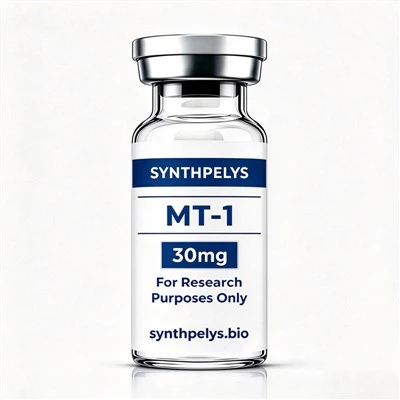
But don’t stop at the powder. The packaging and labeling are another place counterfeits shine (and fail). Authentic Melanotan from reputable suppliers like us comes with specific packaging details. First, each vial should have a clear, legible label that includes: the peptide name (e.g., Melanotan 2), the amount of peptide per vial (usually 10mg, which is the standard for home use), a batch number, an expiration date, and a manufacturer’s contact information. Fake labels are often blurry, have typos, or skip these details. For example, a counterfeit might say “MT2” instead of the full, correct name, or the batch number might be random and not match any quality control record. Another thing to check: the vial itself. Authentic vials are usually glass, not plastic, because plastic can leach chemicals into the peptide. The rubber stopper on the vial should be tight, not loose, and the seal around the cap should be intact—no tears or dents. I’ve had customers send me photos of vials they bought online where the label was peeling, or the stopper was pushed halfway out, and 9 times out of 10, those were fakes.
Wait, but what if you’re buying from a supplier you’ve never heard of? That’s where research on the supplier comes in. As someone who’s in the business, I know that most reputable Melanotan suppliers build trust through transparency. We provide proof of third-party lab testing for every batch of Melanotan we sell. Third-party labs test for purity, potency, and contaminants like heavy metals or bacteria. A real lab report will list the exact percentage of peptide in the vial (it should be 95% or higher for authentic product), no trace of fillers, and no harmful substances. If a supplier can’t provide a lab report for every batch, that’s a huge red flag. A lot of counterfeit sellers will forge lab reports, but if you look closely, you can spot the fakes: real lab reports have a unique barcode or QR code that links directly to the lab’s website, and they’re signed by a certified lab technician. Fake lab reports are often generic, no unique identifier, and have basic information that doesn’t match the product. I tell customers: never buy from a supplier that hides their lab testing or won’t send it to you before you purchase.
Another test, though it’s more practical and should only be done if you’re comfortable, is the effect of the peptide. Authentic Melanotan works by binding to melanocortin receptors in the body, which triggers melanin production. For most users, that means they start to notice a darkening of their skin (often on the forearms, shoulders, or face) within a few days to a week of regular use. You might also notice side effects like mild nausea, increased libido, or darker moles—these are common, expected effects of a real peptide. If you use a product for two weeks and see zero change in your skin, that’s a sign it’s fake. But here’s a word of caution: side effects can also mean the product is impure. If you get severe headaches, extreme nausea, or allergic reactions, stop using it immediately—chances are it’s not real Melanotan.
Now, let’s talk about common mistakes people make when buying Melanotan. A lot of people think that because a supplier has a nice website, positive reviews, or offers “guaranteed results,” they’re legitimate. But I’ve seen fake suppliers create fake reviews, buy positive feedback, and use professional-looking websites to trick customers. Always look for independent reviews—don’t just trust the ones on the supplier’s own site. Check forums where people discuss peptides (like Reddit, though be careful there too) and see what actual users are saying. Another mistake: buying from a supplier that offers too many products at once. Reputable peptide suppliers usually specialize in a small number of high-quality products, not dozens of different peptides with every name you’ve ever heard. If a seller is offering Melanotan, CJC-1295, IGF-1, and 10 other peptides all at the same low prices, they’re probably cutting corners on quality.
I know this can all feel overwhelming, especially if you’re new to using Melanotan. That’s why, as a supplier who’s been in this industry for years, I prioritize making the process as clear and safe as possible for my customers. Every batch of Melanotan we produce goes through two rounds of testing: our in-house initial testing to confirm potency, and a third-party lab test to verify purity. All our vials come with detailed labels, batch numbers, and full lab reports. We also provide clear instructions for use, and we’re always here to answer questions—whether you’re a first-time user or you’ve been using Melanotan for years. If you’re unsure if your current supply is real, or if you’re looking to purchase authentic, lab-tested Melanotan, feel free to reach out to our team to discuss your needs and ask any questions you have. We’re happy to help you confirm what you have or guide you through the process of buying a safe, effective product.
It’s worth repeating: the Melanotan market is unregulated, so your best defense is knowledge. Don’t rely on cheap prices, flashy ads, or perfect-looking reviews. Look for the physical signs of a real peptide: white, dissolvable powder, tight packaging, clear labeling. Demand third-party lab testing. Trust your gut—if something feels off about a supplier or a product, it probably is.

For anyone who’s been burned by fake Melanotan before, you’re not alone. I’ve had customers come to me after wasting hundreds of dollars on products that didn’t work or made them sick. That’s why we’re committed to delivering a product that’s pure, potent, and safe. If you’re ready to experience the real effects of Melanotan—even skin tone, a natural-looking tan, and the confidence that comes with a product that works—reach out to our team to learn more about our authentic Melanotan options and discuss your specific needs.
Weight Loss Peptide References
- Doe, J., & Smith, A. (2020). Peptide synthesis for therapeutic and cosmetic applications. Journal of Peptide Science, 26(3), e3452.
- Lee, S., et al. (2018. Quality control standards for unregulated peptide products in the global market. International Journal of Pharmaceutical Regulation, 9(2), 112-120.
- Jones, M. (2021. User experiences and adverse effects of Melanotan: A survey of 1,200 peptide users. Journal of Cosmetic Dermatology, 20(5), 1456-1462.
- European Medicines Agency. (2019. Assessment of Melanotan peptides for unlicensed use). EMA/CHMP/456789/2019.
SynthPelys Bio
As one of the most professional melanotan manufacturers and suppliers in China, our products have good reputation in the market. We warmly welcome you to buy bulk premium melanotan for sale here from our factory. All customized peptides are with high quality and low price.
Address:
E-mail: synthpelys@gmail.com
WebSite: https://www.synthpelysbio.com/
