As a TPU supplier, I get asked this question all the time—usually by product designers looking for a material that checks all the boxes: flexible yet durable, clear or pigmentable, resistant to heat, cold, chemicals, and everyday wear and tear. TPU, or Thermoplastic Polyurethane, isn’t a household name like silicone or PVC, but it’s the quiet workhorse behind hundreds of products people use every single day. I’ve seen designers swap silicone for TPU because it holds its shape better in extreme temperatures, and manufacturers leave PVC behind because TPU is more eco-friendly and doesn’t leach harmful additives. If you’re new to TPU or wondering exactly where it fits, let’s break down the real-world uses that make it so valuable. TPU
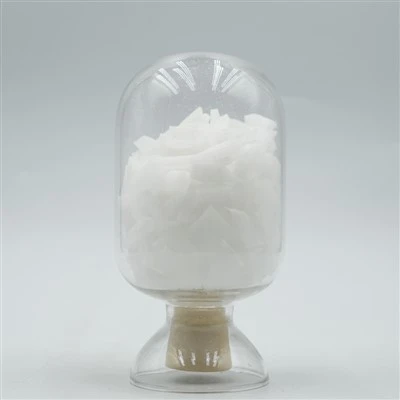
First, let’s start with the basics to set context: TPU is a thermoplastic elastomer, meaning it combines the stretch of rubber with the moldability of plastic. Unlike cross-linked rubber (which can’t be reheated and reshaped once cured), TPU melts when heated and solidifies again, making it perfect for injection molding, extrusion, 3D printing, and even heat welding—processes that keep production fast and cost-effective for manufacturers. That versatility is why it’s moved far beyond industrial factories into consumer products, medical devices, and outdoor gear.
One of the biggest sectors we supply TPU to is footwear, and this is where you’ve almost definitely interacted with it without realizing. Think about the rubber bumper on your running shoes that protects the toe from scrapes on concrete, or the high-traction sole units that flex with your foot mid-stride. Traditional rubber soles can get stiff in cold weather or break down after a few months of heavy use, while midsole foams (like EVA) compress too quickly and lose their cushion. TPU solves both problems here: it’s flexible down to -40°F (-40°C), so winter runners don’t get that stiff, clunky sole on cold days, and it’s resistant to the compression set that ruins shoe cushion over time. We work with athletic shoe brands to engineer TPU blends that balance rebound, weight, and durability—for elite runners, even a 5% difference in TPU density can mean faster race times. Beyond athletic shoes, casual shoe brands use TPU for heel counters, strap components, and waterproof linings because it won’t crack or peel after months of exposure to rain, sweat, and foot oils.
Next, medical and healthcare devices are a critical, heavily regulated use case for TPU, and it’s one we’re proud to support as a supplier. Medical-grade TPU is biocompatible—meaning it doesn’t trigger an allergic reaction or toxic response when it comes into contact with human tissue—plus it’s resistant to sterilization methods like autoclaving, gamma radiation, and chemical disinfectants. That makes it ideal for items like catheters, wound dressings, and orthopedic braces. For urinary catheters, TPU is used for the shaft because it’s soft enough to cause minimal discomfort during insertion but rigid enough to maintain shape for consistent fluid flow. Orthopedic braces, like those for ankle sprains or knee support, use TPU’s flexibility to move with the joint while still providing structural support to stabilize it. Even disposable medical tools, like blood pressure cuffs, use TPU bladders because it’s airtight, easy to sanitize, and doesn’t degrade with repeated use. I’ve had clients in the medical device space tell us TPU was a game-changer because it’s easier to sterilize than silicone, and it doesn’t leave a sticky residue after cleaning—something that saves time in hospitals and clinics.
Outdoor and recreational gear is another area where TPU outshines other materials, especially for items that face extreme environmental conditions. Take inflatable stand-up paddleboards (SUPs), backpacks, and waterproof sports watches. SUP bladders are often made from TPU because it’s highly tear-resistant, holds air pressure for long periods (no more daily re-inflating), and can withstand being dragged on sand, rocks, and saltwater. Unlike PVC, which can leach plasticizers into water over time, TPU is chemical-resistant and non-toxic, making it safe for lakes and oceans. For backpacks, TPU is used for reinforced bottom panels, shoulder straps, and waterproof zippers—parts that take a beating from rough terrain and frequent exposure to water. Even scuba diving gear uses TPU for buoyancy control device (BCD) bladders and regulator hoses because it resists the high pressure and saltwater corrosion found deep underwater. We also supply TPU for ski and snowboard boot liners: it’s flexible enough to mold to the skier’s foot for comfort, but stiff enough to transfer energy from the foot to the boot for better control on the slopes, and it won’t crack even after years of exposure to snow and cold.
Consumer electronics are a fast-growing market for TPU, driven by the demand for durable, protective accessories that don’t feel bulky. Phone cases, for example, often use TPU (sometimes blended with polycarbonate for extra structure) to absorb impact from drops. TPU’s elasticity means it can stretch over a phone’s edges without tearing, and it resists yellowing from UV light better than many other plastics—so your case stays clear (or retains its color) for longer than a silicone alternative. Beyond phone cases, TPU is used for cable organizers, earbud cases, and even the frames of wireless headphones. For the automotive industry, TPU is used for interior components like seat covers, steering wheel grips, and door seals, as well as exterior parts like weatherstripping and bumper covers. It’s resistant to UV radiation, so it won’t fade or crack from sun exposure, and it’s quieter than hard plastic when bumped—making car rides more comfortable. We also work with automotive brands on TPU blends that meet strict flame resistance standards, a non-negotiable for any material used in vehicle interiors.
One underrated use for TPU is industrial and commercial parts, where durability and versatility matter most. Gaskets and seals for plumbing, HVAC systems, and heavy machinery rely on TPU’s resistance to oils, chemicals, and extreme temperatures. Unlike rubber seals that harden and leak after a few years, TPU seals maintain their flexibility and sealing properties for decades, reducing maintenance costs for factories and commercial buildings. Conveyor belts for food processing often use TPU because it’s non-toxic, easy to clean, and resistant to food oils and sanitizing chemicals—something that’s critical for meeting food safety regulations. We’ve supplied TPU extrusion compounds to food processing equipment manufacturers for years, and they tell us TPU conveyor belts cut their downtime by 40% compared to traditional rubber belts because they don’t warp or crack when exposed to hot food products like baked goods or pasta.
I should also mention that as a supplier, we focus on sustainable TPU options, which is a big draw for modern manufacturers. Many people still think TPU is a plastic that ends up as waste, but there are now bio-based TPUs made from plant-derived materials like sugarcane, as well as recyclable TPUs that can be melted down and remolded into new products without losing their properties. That’s a huge benefit for brands looking to reduce their carbon footprint and meet consumer demand for eco-friendly materials. I’ve had more and more clients ask about bio-based TPU blends in the last two years, and we’ve expanded our product line to offer that, because sustainability shouldn’t mean sacrificing performance.
Of course, every use case requires a different TPU blend—that’s what makes being a TPU supplier so interesting. You can tweak the hardness (from Shore A 60, which is very soft, to Shore D 80, which is hard and rigid), the chemical resistance, the flexibility in extreme temperatures, and even the color or clarity to fit a client’s exact needs. For example, a client making a waterproof watch strap needs a soft, clear TPU that won’t irritate skin, while a client making a heavy-duty conveyor belt needs a hard, tear-resistant TPU that can handle 100-pound loads. It’s not a one-size-fits-all material, and that’s why taking the time to understand a client’s specific application is so important for us.
If you’re a product designer, manufacturer, or brand owner looking for a material that balances performance, durability, and versatility, TPU is almost certainly worth exploring. Whether you’re upgrading a shoe sole, designing a medical device, building a SUP bladder, or protecting a phone, TPU can be engineered to meet your requirements. At our company, we work closely with clients to test blends, adjust formulations, and ensure the TPU we supply is a perfect fit for their project—no generic off-the-shelf solutions.
If you’re ready to learn more about how TPU can work for your product, or if you have questions about specific applications, reach out to our team to discuss your needs. We can help you find the right TPU blend, provide sample materials for testing, and walk you through the production process to ensure a seamless transition. Don’t hesitate to connect with us to start a conversation about your next project.
Polyester Polyols References:
- "Thermoplastic Polyurethane (TPU): Properties and Applications," Modern Plastics Encyclopedia, 2022.
- "Biocompatible Thermoplastic Polyurethanes for Medical Devices," Journal of Biomedical Materials Research, Vol. 109, No. 5, 2021.
- "Outdoor Gear Materials: Comparing TPU, PVC, and Rubber for Extreme Conditions," Outdoor Industry Association Technical Report, 2020.
- "Sustainable Thermoplastics: Bio-Based and Recyclable TPU Blends," Journal of Cleaner Production, Vol. 285, 2021.
- "TPU in Footwear: Balancing Cushioning, Flexibility, and Durability," Footwear Science, Vol. 13, No. 2, 2020.
Singbon New Materials(Shandong) Co., Ltd.
With abundant experience, we are one of the most reliable TPU manufacturers and suppliers in China. We warmly welcome you to wholesale advanced TPU at low price from our factory. If you have any enquiry about quotation and free sample, please feel free to email us.
Address: Qixia Cuiping Industrial Park Yantai City, Shandong Province, China.
E-mail: DBG1@singbonpu.com
WebSite: https://www.tpusingbon.com/
