When I first started my journey in the wall covering industry five years ago, I quickly noticed a quiet frustration among homeowners, small contractors, and commercial builders alike. Every time someone came to me asking for advice on wall materials, the conversation always circled back to the same trade-offs: traditional coverings look great initially, but they seem to fail sooner than expected. I watched clients invest in expensive wallpaper that peeled at the edges within a year, paint that bubbled and discolored after a single kitchen renovation, and wood panels that warped just from high humidity in a bathroom. That’s when I began focusing on SPC Wall Panels—and today, I want to break down exactly why these panels have become the go-to choice for so many of my clients, compared to the old-fashioned wall coverings we’ve all relied on for decades. SPC Wall Panels
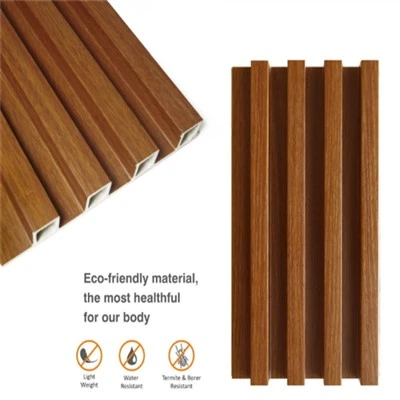
Let’s start with the most practical pain point almost no one talks about upfront: durability. Traditional wall coverings, whether it’s standard latex paint, vinyl wallpaper, or even solid wood panels, are vulnerable to things that happen in every home or space. Spills, scuffs, moisture, and regular wear and tear don’t stand a chance against them. A glass of red wine spills on your dining room wall, and with paint, you’re left with a stain you can’t sand out—you have to repaint the entire section, which often leaves a noticeable color difference. Vinyl wallpaper peels where the adhesive gives way, especially in areas with temperature changes like near a window or a heating vent. Solid wood panels? Just a little too much humidity from a steamy shower and you’ve got warping, cracks, or even mold growth in the gaps.
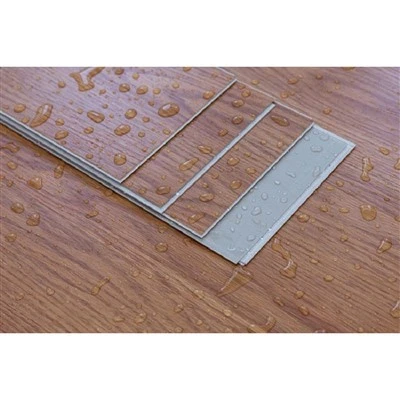
SPC Wall Panels, on the other hand, are built from Stone Plastic Composite—a mix of natural limestone powder, polyvinyl chloride (PVC), and a stabilizer. That composition makes them inherently water-resistant and scratch-proof. I’ve had a restaurant client install SPC panels in their kitchen back in 2020, and last month they reached out to order more for their new location. They told me that in three years, the only touch-ups they’ve needed were a quick wipe down after a grease spill—no scratches from dropping a pot, no water stains from the dishwasher’s spray, no peeling. For commercial spaces especially, that durability translates to real cost savings. My residential clients love that their kids can draw on the wall with crayons, and a quick wipe with a damp cloth takes it right off—no need to sand and repaint. It’s not just about lasting longer; it’s about the ease of maintaining that new look, which is a game-changer for so many people.
Next up is installation speed and simplicity, a factor that’s often underestimated until you’re waiting for a contractor to finish a job. Traditional wall coverings are messy and time-consuming. For painting, you have to prep the wall—fill holes, sand it, apply primer, then two coats of paint, and even then you have to wait days for it to fully cure before you can move furniture back in or hang things. Wallpaper? You have to measure precisely, cut strips, apply adhesive to the wall or the back of the paper, line up the pattern perfectly, and smooth out air bubbles—if you get a single strip wrong, the whole room can look off, and removing old wallpaper is a nightmare of scraping and chemical removers that leave walls damaged.
With SPC Wall Panels, installation is straightforward, and most people can have a small room done in a single day. The panels come with a interlocking click-lock system, so you don’t need messy mortar or heavy adhesive—just apply a small amount of construction glue to the back of the panel (if needed) and snap each piece into place. I’ve had clients who are handy around the house install their own SPC panels in a home office, and they told me it took them half the time a contractor quoted for traditional wallpaper. There’s no waiting for drying time, no mess of paint or adhesive splatters, and if you make a mistake or a panel gets damaged down the line, you can just pop out the bad one and replace it in seconds, instead of having to strip an entire wall. That simplicity is a huge win for both homeowners and contractors, who can turn around jobs faster and take on more work without sacrificing quality.
When it comes to health and safety, especially in a post-pandemic world, SPC Wall Panels check boxes that traditional coverings often miss. Let’s talk about mold and mildew first. Traditional materials like wallpaper, drywall, and even some wood panels absorb moisture, creating the perfect environment for mold to grow in hidden spots—like behind wallpaper, between wallboards, or under wood trim. Mold not only looks bad, but it can trigger allergies, asthma, and other respiratory issues, which is a big concern for families with young kids or people with sensitive health. SPC Wall Panels are non-porous, so moisture can’t seep in. I had a client with a bathroom that had recurring mold problems from steam, and after switching to SPC panels, they haven’t had a single mold spot since. They’re also resistant to bacteria, which is why so many hospitals, schools, and daycares are making the switch now.
Another safety point is fire resistance. Many traditional wall coverings—latex paint, vinyl wallpaper, wood panels—are flammable or release toxic fumes when burned. SPC panels, because of their composition, have a high fire resistance rating. They don’t burn easily, and when exposed to heat, they release far fewer harmful emissions than traditional materials. That’s a critical factor for commercial buildings, multi-unit residential complexes, and even homes where there are elderly family members or small children. I work with a lot of local contractors who specialize in commercial construction, and they tell me that many building codes now prioritize fire-resistant materials, so SPC panels help them stay compliant without sacrificing aesthetics.
Let’s not forget about design flexibility and consistency, two areas where I’ve seen clients struggle with traditional wall coverings for years. With paint, it’s impossible to get a perfect color match if you have to touch up a wall a few years later—sunlight fades paint, and different batches can have subtle color differences. Wallpaper comes in rolls, and if you order an extra roll for touch-ups, there’s a good chance it’s from a different production batch, so the pattern or color will be slightly off. Wood panels have natural grain variations, so every piece looks a little different, which can be great for some, but not when you want a uniform look for a large space like a hotel lobby or an open-concept living room.
SPC Wall Panels solve that problem because they’re manufactured with consistent colors, patterns, and textures. We offer everything from sleek matte finishes that mimic concrete to wood-grain patterns that look identical to real hardwood, from bold geometric prints to subtle textured finishes that add depth without being overwhelming. Because they’re made in controlled factory conditions, there’s zero variation between panels from the same batch, so you can install 100 panels in a commercial space and they’ll all look exactly the same. And if a client needs to replace a panel down the line, we can ship a matching one with no worries about color or pattern mismatch. That consistency is a big reason why designers now regularly specify SPC panels for high-end projects—they get the look they want, without the inconsistencies that come with traditional materials.
Cost is always a big question, and I know many people assume SPC panels are more expensive upfront. But when you do the math over time, they’re actually a more cost-effective choice. Let’s compare: a standard room with traditional paint might cost $500 to $1,000 for materials and installation. But every 3 to 5 years, you’ll need to repaint, and if there are any stains or damage, you’ll have to pay for touch-ups. Wallpaper might cost a bit more upfront, around $800 to $1,500, and it needs to be replaced every 7 to 10 years, plus removing old wallpaper can add hundreds to the cost.
SPC panels might have a slightly higher upfront cost—usually between $1,200 and $2,000 for a standard room, depending on the finish. But here’s the thing: they don’t need to be repainted, replaced, or touched up regularly. For a homeowner, that means no mid-term costs, no time spent hiring contractors for maintenance, and the panels will last 20 years or more with basic cleaning. For commercial spaces, which have higher foot traffic and more exposure to wear, the cost savings add up even faster. A retail store that spends $3,000 every 5 years repainting or re-wallpapering will save thousands over a decade by switching to SPC panels. I often tell clients to think of it as an investment, not an expense—you pay a bit more upfront, but you don’t have to keep paying down the line.
I want to be honest here: SPC Wall Panels aren’t the right choice for every single project. If you’re looking for a very specific custom hand-painted finish, or a space that needs a very unique organic texture that SPC doesn’t offer, traditional coverings still have their place. But for 90% of the projects I work on—whether it’s a kitchen, bathroom, home office, restaurant, hotel, or apartment complex—SPC panels deliver better performance, lower long-term costs, easier installation, and healthier spaces.
Over the years, I’ve built relationships with hundreds of clients, and most of them come back to me when they need wall coverings for a new project. The reason is simple: I don’t just sell a product— I sell a solution to the headaches they’ve dealt with for years. No more peeling wallpaper, no more mold spots, no more repainting every few years, no more mess during installation. That’s the value of SPC Wall Panels.
If you’re tired of dealing with the limitations of traditional wall coverings and want a durable, low-maintenance, beautiful option for your home or business, I’d love to chat with you about your specific needs. Whether you’re a homeowner planning a renovation, a contractor working on a commercial project, or a business owner looking to upgrade your space, we can work together to find the right SPC Wall Panels for your style, budget, and timeline. Don’t hesitate to reach out to discuss your project details and get more information about our products and services.
References
Other Wall Panels National Association of Home Builders. (2021). Durability and Maintenance of Residential Wall Coverings. Journal of Residential Construction.
International Code Council. (2022). Fire Resistance Standards for Building Interior Materials. ICC Building Code Bulletin.
Environmental Protection Agency. (2020). Mold Prevention and Remediation in Indoor Spaces. EPA Indoor Air Quality Report.
Shandong Dowell Decorative Material Co., Ltd.
Address: Room 913, 9th Floor, International Trade Service Center, No. 100 Lingong Road, Comprehensive Bonded Zone, Chaoyang Street, Yihe New District, Linyi City, Shandong PR, China
E-mail: info@dowellpanel.com
WebSite: https://www.dowellspcfloor.com/
