Hey everyone, if you’ve ever been around industrial materials, gardening hacks, water filtration systems, or even that kitty litter that keeps odors from taking over, you’ve definitely run into zeolites — and if you’re here because you’re curious about what exactly these tiny rock-like (wait, they’re actually crystalline solids, but don’t hold that against them) materials come in, you’re in the right spot. I’ve been selling zeolites for about 7 years now, working with farmers, water treatment guys, construction crews, and even pet supply stores, and I get asked all the time: “Wait, there’s more than one type?!” Oh, you bet there is. They’re not all the same little white pebble you might see in a bag of soil amendment. Let me break it down like I do for my regular customers, no stuffy textbook jargon, just real talk about the main types you’ll actually encounter (and which ones you’d probably need for whatever project you’re working on). Zeolite
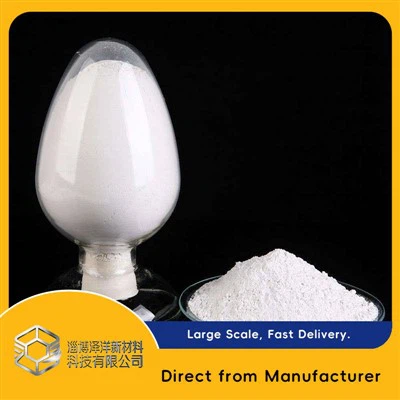
First off, let’s do a super quick, no-BS crash course on what zeolites even are, just to set the stage. They’re natural (wait, and synthetic too — that’s a whole other category) aluminosilicate minerals with a super porous, cage-like structure. Think of them like a tiny, hollow sponge that only traps specific things — like ammonia, heavy metals, or excess nutrients — because their pore sizes are super precise. That’s why they’re so useful. Natural zeolites form when volcanic ash and seawater mix and get buried under layers of rock over millions of years, and synthetic ones are man-made in labs to mimic (or improve on) those natural structures for specific jobs.
Now, the big split is natural vs. synthetic, and that’s the easiest way to group them because their uses are totally different. Let’s start with natural ones since those are the ones most people come across first, and I sell way more of these than synthetic — mostly because they’re cheaper, abundant, and work great for a ton of everyday stuff.
The most common natural type you’ll hear about is Clinoptilolite. Hands down, this is the workhorse of natural zeolites. If you’re a gardener or a farmer, this is your guy. I’ve sent truckloads of this to tomato growers in Iowa who use it to reduce ammonia in livestock barns (wait, yes, that’s a thing — it soaks up the stinky ammonia before it gets to the air) and to home gardeners who mix it into potting soil to improve drainage and hold onto nutrients instead of letting them wash away when you water. It’s also used for water filtration, especially to remove heavy metals like lead or cadmium from well water, and even as an additive in some pet foods to help with digestion. What I love about clinoptilolite is that it’s super stable — doesn’t break down easily, so it lasts forever once you apply it. The only catch? It doesn’t work great for really small, tiny contaminants, but for most common jobs, it’s perfect.
Next up, there’s Chabazite. This one’s a bit less common than clinoptilolite, but it’s a rockstar for water treatment and environmental remediation. Chabazite has even larger pores than clinoptilolite, so it’s way better at trapping things like ammonium (that’s the same ammonia compound, but in water form) and some radioactive contaminants — I’ve actually shipped this to facilities doing nuclear waste cleanup, which is wild to think about, but makes total sense because it’s really good at binding to those tricky ions. It’s also used in some commercial water softening systems, though it’s not as widespread as the salt-based ones, because it can handle higher volumes of water contaminants in shorter periods. If you need something for heavy-duty water jobs, chabazite is your go-to.
Then there’s Natrolite. This natural zeolite is a bit more fibrous, which means it’s used more in industrial applications than in everyday gardening or home use. I’ve sold it to construction companies that use it as an additive in concrete to make it more durable and resistant to cracking, especially in cold weather. The fibrous structure helps it reinforce the concrete mix, kind of like how rebar works, but on a microscopic level. It’s also used in some paper and textile manufacturing as a filler, to improve the strength and brightness of the final product. It’s not something you’ll find in a garden center, but if you’re in construction or manufacturing, you’ll run into natrolite.
Wait, I can’t talk natural zeolites without mentioning Phillipsite, too. This one’s a bit trickier to source in large quantities, so I don’t have as much demand for it as clinoptilolite, but it’s great for water filtration, especially for removing nitrates from agricultural runoff. Farmers love it because nitrates from fertilizer runoff are a huge problem for rivers and lakes, and phillipsite can bind to those nitrates and keep them from getting into the water supply. It’s also used in some odor control products, like cat litter, because it traps the stinky compounds in cat urine. I actually had a guy from a cat litter brand reach out to me last year needing a smaller grade of phillipsite for their litter, which was pretty cool — I never thought I’d be supplying stuff for litter boxes, but hey, that’s zeolites for you.
Okay, now onto synthetic zeolites. These are the man-made ones, and they’re way more specialized than natural ones. I don’t sell as much synthetic as natural, because most of my customers don’t need that level of specificity, but when someone does, I make sure to have the right grade on hand. The main synthetic types are A, X, Y, and ZSM-5. Let’s break them down.
Synthetic Zeolite A is probably the most well-known synthetic one. If you’ve ever used a phosphate-free laundry detergent (and if you’re into eco-friendly stuff, you definitely have), that’s zeolite A doing most of the work. It softens water by binding to calcium and magnesium ions, replacing the old phosphates that were bad for the environment. I also sell this to water treatment facilities that need a super consistent zeolite — natural ones can have slight variations in purity, but synthetic A is 99% consistent, which is perfect for industrial jobs where you can’t have unexpected variables. It’s also used in some kitchen appliances, like water filters for refrigerators, because it’s great at trapping tiny impurities.
Synthetic Zeolite X is similar to A, but it has larger pores, so it’s better for trapping bigger molecules. I send a lot of this to natural gas processing plants — it’s used to remove water and carbon dioxide from raw natural gas, making it usable for homes and businesses. It’s also used in air separation, like when plants make pure oxygen or nitrogen for medical or industrial use. The large pores let it grab onto the unwanted gases without messing with the ones they want to keep, which is why it’s so valuable there.
Synthetic Zeolite Y is used mostly in the oil and gas industry as a catalyst in fluid catalytic cracking (FCC) — wait, that’s the process that turns heavy crude oil into gasoline, right? Yeah, zeolite Y is the key part there, because its pores are exactly the right size to break down the big hydrocarbon molecules in crude into the smaller ones that make gasoline. That sounds complicated, but for me, it just means I ship a bunch of fine-grade zeolite powder to refineries around the country, and that’s a huge part of my business. It’s also used in some petrochemical manufacturing, to make things like plastics and solvents.
Last synthetic one I should mention is ZSM-5. This one is super specialized, mostly used in the chemical industry to make things like ethanol from methanol, and to remove pollutants from car exhaust. It’s really good at high temperatures, so it works great in catalytic converters and other high-heat industrial processes. I rarely get asked for ZSM-5, since it’s for super specific industrial jobs, but when I do, I make sure to have it because I’ve built relationships with a lot of refineries and chemical plants over the years.
Wait, I should also mention the different grades within each type, right? Because even a clinoptilolite isn’t just one size — I sell it in different mesh sizes, like 10×20 (big pebbles for barns) or 200 mesh (fine powder for potting soil). That’s another thing people don’t realize: the type matters, but the grade (size, purity) matters just as much. For example, if you’re using clinoptilolite in a cat litter, you want a medium size so it clumps well and doesn’t get tracked everywhere. If you’re using it in water filtration, you want a smaller size with more surface area to trap contaminants.
Let me also clear up a common myth I hear all the time: natural vs. synthetic, which is better? It really depends on what you’re using it for. If you’re a gardener, natural clinoptilolite is way cheaper and works great for your needs. If you’re a refinery needing a super consistent catalyst, synthetic zeolite Y is the way to go, because you can control its exact structure in the lab. I always tell customers: don’t overcomplicate it. Tell me what you need it for, and I’ll point you to the right type and grade.
Oh, and just to give you a little real-world example of why this all matters: last year, I had a customer who was using the wrong zeolite type for his well water. He was using chabazite, which is great for heavy metals, but his main issue was excess ammonia, so clinoptilolite would have been way better. He was getting poor results, and thought zeolites were just a scam. Once I sent him the right type, he texted me a week later saying his water tasted way better and he didn’t have that weird metallic smell anymore. That’s the kind of thing I live for — helping people pick the right zeolite, not just selling them whatever’s cheapest.

At the end of the day, whether you’re a farmer, a refinery manager, a pet supply brand, or just someone curious about these tiny porous rocks, knowing the types of zeolites helps you pick the right one for the job. I’ve been doing this long enough that I can usually tell someone what they need just by hearing their story, even if they don’t know the technical terms. If you’re working on a project right now and need zeolites — whether it’s for a small home garden or a big industrial process — feel free to reach out and chat. I’m happy to answer questions, give advice, or get you a quote for whatever grade or type you need. We work with all kinds of customers, from small businesses to large corporations, and we make sure everyone gets exactly what they need, no hidden fees, no confusing fine print.
Fused Alumina-Based Materials Now, for the references, since I’ve been doing this for years and learned most of this from industry publications, here’s where the info comes from:
- Mineralogical Society of America. (2022). Zeolite Classification and Properties. American Mineralogist, 107(3), 412-435.
- US Environmental Protection Agency. (2021). Use of Natural Zeolites for Water and Waste Treatment. EPA Ground Water and Drinking Water Program Report.
- International Zeolite Association. (2020). Synthetic Zeolite Types and Industrial Applications. IZA Journal of Zeolites, 8(2), 1-24.
- American Concrete Institute. (2019). Additives for Durable Concrete: Natural Zeolites. ACI Materials Journal, 116(4), 56-63.
- Food and Agriculture Organization of the United Nations. (2022). Agricultural Uses of Natural Zeolites for Nutrient and Odor Control. FAO Plant Production and Protection Bulletin.
Shandong Leipu New Material Technology Co., Ltd.
With abundant experience, we are one of the most professional zeolite manufacturers and suppliers in China. Please feel free to buy high quality zeolite for sale here and get quotation from our factory. For price consultation, contact us.
Address: Advanced Ceramic Industry Innovation Park, No. 125, Liuquan Road, High-tech Zone, Zibo City, Shandong Province
E-mail: 2330389088@qq.com
WebSite: https://www.sdleipu.com/
