In the contemporary era of energy management and efficiency, the demand for accurate and real – time energy consumption data has become increasingly crucial. As a supplier of electronic energy meters, I am well – placed to discuss whether these devices can indeed provide real – time energy consumption data. Electronic Energy Meter

The Technology Behind Electronic Energy Meters
Electronic energy meters are a significant advancement over their electromechanical predecessors. They operate on the principle of measuring electrical parameters such as voltage, current, and power factor to calculate the energy consumed. These meters use advanced integrated circuits and microprocessors to perform the necessary calculations.
The core component of an electronic energy meter is the analog – to – digital converter (ADC). This converter takes the analog signals of voltage and current and converts them into digital values. Once in the digital domain, the microprocessor can use pre – programmed algorithms to calculate the energy consumption. The algorithms are designed to account for different types of electrical loads, including resistive, inductive, and capacitive loads.
Real – Time Data Acquisition
One of the key features of modern electronic energy meters is their ability to provide real – time energy consumption data. This is made possible through several technological advancements. Firstly, the high – speed processing capabilities of the microprocessors allow for continuous and rapid calculations of energy consumption. The ADCs also operate at high sampling rates, ensuring that the voltage and current values are captured accurately and frequently.
Most electronic energy meters are equipped with communication interfaces such as RS – 485, Modbus, or Ethernet. These interfaces enable the meter to transmit the calculated energy consumption data to a central monitoring system in real – time. The data can be sent at regular intervals, ranging from a few seconds to minutes, depending on the requirements of the user.
For example, in a commercial building, the energy meter can be connected to a building management system (BMS). The BMS can then use the real – time energy consumption data to optimize the building’s energy usage. It can adjust the HVAC systems, lighting, and other electrical equipment based on the actual energy consumption patterns.
Benefits of Real – Time Energy Consumption Data
The availability of real – time energy consumption data offers numerous benefits. For consumers, it provides greater visibility into their energy usage. They can monitor how much energy different appliances and devices are consuming at any given time. This awareness can lead to more informed decisions about energy conservation. For instance, a homeowner can see that a particular old refrigerator is consuming a large amount of energy and decide to replace it with a more energy – efficient model.
In an industrial setting, real – time energy consumption data is invaluable for process optimization. Manufacturers can analyze the energy usage of different production lines and identify areas where energy can be saved. This not only reduces operating costs but also contributes to a more sustainable manufacturing process.
Utility companies also benefit from real – time energy consumption data. They can use this data to manage the grid more effectively. By understanding the real – time demand for electricity, they can adjust power generation and distribution to avoid overloading the grid. This leads to a more stable and reliable electricity supply.
Challenges in Providing Real – Time Data
While electronic energy meters are capable of providing real – time energy consumption data, there are some challenges that need to be addressed. One of the main challenges is the issue of data accuracy. Electrical noise, fluctuations in voltage and current, and interference from other electrical devices can affect the accuracy of the data. To overcome this, energy meters are designed with advanced filtering techniques. These filters can remove the unwanted noise and ensure that the data transmitted is as accurate as possible.
Another challenge is the communication infrastructure. For real – time data to be useful, it needs to be transmitted reliably to the monitoring system. In some areas, the communication network may be unreliable or have limited bandwidth. This can result in data loss or delays in transmission. To mitigate this, suppliers are constantly working on improving the communication capabilities of the energy meters. For example, some meters are now equipped with wireless communication options such as Wi – Fi or ZigBee, which can provide more flexible and reliable data transmission.
Case Studies
To illustrate the effectiveness of electronic energy meters in providing real – time energy consumption data, let’s look at a few case studies.
Commercial Building Case
A large office building installed our electronic energy meters and connected them to a BMS. The real – time data showed that the lighting system was consuming a significant amount of energy during non – working hours. By using the data to adjust the lighting schedule, the building management was able to reduce the energy consumption of the lighting system by 20%. This not only saved on electricity costs but also extended the lifespan of the light bulbs.
Industrial Case
A manufacturing plant implemented our energy meters to monitor the energy usage of its production lines. The real – time data revealed that one of the production lines was consuming more energy than expected due to a faulty motor. By replacing the motor, the plant was able to reduce the energy consumption of that production line by 15%. This led to substantial cost savings and improved the overall efficiency of the plant.
Future Developments
The future of electronic energy meters looks promising. With the development of the Internet of Things (IoT), energy meters are expected to become even more intelligent. They will be able to communicate with other smart devices in the home or building, such as smart thermostats and appliances. This will enable more comprehensive energy management and optimization.
In addition, the integration of artificial intelligence (AI) and machine learning algorithms into energy meters will allow for more accurate prediction of energy consumption. These algorithms can analyze historical data and real – time information to identify patterns and trends. This will help users to better plan their energy usage and reduce costs.
Conclusion
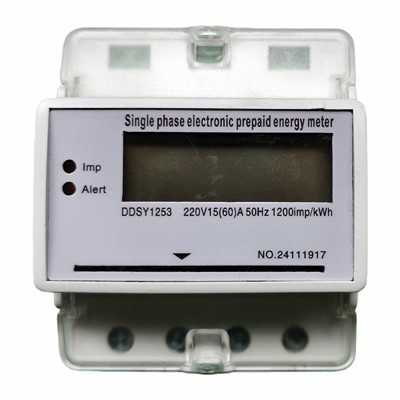
In conclusion, electronic energy meters are indeed capable of providing real – time energy consumption data. The advanced technology used in these meters, combined with the communication interfaces, enables continuous and accurate data acquisition and transmission. The benefits of real – time energy consumption data are significant for consumers, industries, and utility companies.
Electronic Energy Meter If you are interested in upgrading your energy management system with our high – quality electronic energy meters that can provide real – time energy consumption data, we invite you to reach out to us for a detailed discussion. Our team of experts can help you choose the right energy meters for your specific needs and provide you with a customized solution.
References
- International Electrotechnical Commission (IEC). (2018). IEC 62053 – 21: Electricity metering equipment (a.c.) – Part 21: Static meters for active energy (class 1 and 2).
- IEEE Standards Association. (2016). IEEE 1459 – 2010: Definitions for the measurement of electric power quantities under sinusoidal, nonsinusoidal, balanced, or unbalanced conditions.
- Department of Energy, USA. (2020). Energy Efficiency and Renewable Energy: Smart Grid Technologies.
Zhejiang Qunte New Energy Technology Co., Ltd.
As one of the most professional electronic energy meter manufacturers in China, we’re featured by quality products and good price. Please rest assured to buy discount electronic energy meter made in China here from our factory. We also accept customized orders.
Address: No. 56, Fengxi Road, Tang’ao Yu Village, Liushi Town, Yueqing City, Wenzhou City, Zhejiang Province
E-mail: 251951196@qq.com
WebSite: https://www.zjqtmeter.com/
