Can leaching agents be used in the recycling of electronic waste? Leaching Agent
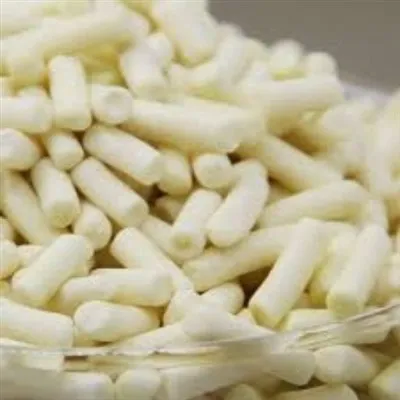
In the modern era, the rapid advancement of technology has led to a significant increase in electronic waste (e – waste). The improper disposal of e – waste not only poses a threat to the environment but also results in the loss of valuable resources. As a supplier of leaching agents, I have witnessed the growing interest in the application of leaching agents in e – waste recycling. In this blog, I will explore the feasibility and potential of using leaching agents in the recycling of electronic waste.
The Composition of Electronic Waste and Its Value
Electronic waste encompasses a wide range of discarded electronic devices, such as smartphones, laptops, televisions, and electronic components. These items contain a variety of valuable metals, including gold, silver, copper, palladium, and rare – earth elements. For example, a single smartphone may contain small amounts of gold, silver, and palladium, which are used in the circuit boards and other components. These precious metals are not only valuable economically but also play crucial roles in various high – tech industries.
However, extracting these metals from e – waste is a challenging task. The metals are often embedded in complex matrices of plastics, ceramics, and other materials. Traditional methods of e – waste recycling, such as mechanical separation and pyrometallurgy, have their limitations. Mechanical separation can only separate large – scale components, and pyrometallurgy requires high – temperature processes, which may lead to the release of harmful pollutants and energy consumption.
The Role of Leaching Agents in E – Waste Recycling
Leaching agents are chemical substances that can dissolve metals from solid materials. In the context of e – waste recycling, leaching agents can be used to selectively dissolve the valuable metals from the e – waste, separating them from the non – metallic components.
There are different types of leaching agents available, each with its own properties and applications. Acidic leaching agents, such as hydrochloric acid, sulfuric acid, and nitric acid, are commonly used. These acids can react with metals to form soluble metal salts. For example, gold can be dissolved in aqua regia (a mixture of hydrochloric acid and nitric acid) to form chloroauric acid.
On the other hand, alkaline leaching agents, such as sodium hydroxide and ammonia, can also be used in certain cases. Alkaline leaching is particularly useful for the extraction of some metals that are more soluble in alkaline solutions, such as aluminum.
One of the advantages of using leaching agents in e – waste recycling is the high selectivity. By choosing the appropriate leaching agent and reaction conditions, it is possible to target specific metals and leave other components intact. This allows for a more efficient and environmentally friendly recycling process.
Feasibility and Challenges
The use of leaching agents in e – waste recycling is technically feasible. Laboratory studies have demonstrated that leaching agents can effectively extract valuable metals from e – waste. For example, research has shown that the use of certain organic acids can achieve high extraction rates of copper and other metals from printed circuit boards.
However, there are also several challenges associated with the use of leaching agents in e – waste recycling. Firstly, the leaching process requires careful control of reaction conditions, such as temperature, pH, and reaction time. Incorrect conditions may lead to low extraction rates or the formation of unwanted by – products.
Secondly, the disposal of the leaching solutions after the extraction process is a significant environmental concern. The leaching solutions may contain heavy metals and other pollutants, which need to be properly treated to prevent environmental contamination.
Thirdly, the cost of leaching agents and the overall recycling process is an important factor. The price of high – quality leaching agents can be relatively high, and the additional costs associated with equipment, labor, and waste treatment need to be considered.
Environmental and Economic Benefits
Despite the challenges, the use of leaching agents in e – waste recycling offers significant environmental and economic benefits.
From an environmental perspective, recycling e – waste using leaching agents can reduce the need for mining new metals. Mining activities often cause environmental damage, such as deforestation, soil erosion, and water pollution. By extracting metals from e – waste, we can conserve natural resources and reduce the environmental impact of mining.
Economically, the recovery of valuable metals from e – waste can generate substantial revenue. The precious metals obtained from e – waste recycling can be sold in the market, providing a source of income for recycling companies. Additionally, the development of e – waste recycling technologies using leaching agents can create job opportunities in the recycling industry.
Case Studies and Industry Trends
There are already some successful case studies of using leaching agents in e – waste recycling. Some companies have established large – scale e – waste recycling plants that use leaching agents to extract valuable metals. These plants have achieved high extraction rates and have demonstrated the commercial viability of the technology.
In the industry, there is a growing trend towards the development of more efficient and environmentally friendly leaching agents. Researchers are exploring the use of green leaching agents, such as bio – leaching agents, which are derived from microorganisms. Bio – leaching agents have the potential to be more environmentally friendly and cost – effective compared to traditional chemical leaching agents.
Conclusion

In conclusion, leaching agents can be effectively used in the recycling of electronic waste. Although there are challenges associated with the use of leaching agents, such as reaction control, waste disposal, and cost, the environmental and economic benefits are significant. As a supplier of leaching agents, I am committed to providing high – quality products and technical support to the e – waste recycling industry.
Dithiophosphate If you are involved in the e – waste recycling business and are interested in using leaching agents for your operations, I encourage you to contact me for more information. We can discuss the specific requirements of your recycling process and find the most suitable leaching agents for your needs. Through cooperation, we can contribute to a more sustainable and efficient e – waste recycling industry.
References
- "Electronic Waste Management: A Global Perspective" by X. Wang, et al.
- "Leaching of Metals from Electronic Waste: A Review" by M. Kumar, et al.
- "Advances in E – Waste Recycling Technologies" by J. Zhang, et al.
Bitop Bihope Qingdao Mining Co., Ltd
Bitop Bihope Qingdao Mining Co., Ltd. is one of the most professional leaching agent manufacturers and suppliers in China, featured by quality products and low price. Please rest assured to buy discount leaching agent in stock here and get quotation from our factory. Customized orders are welcome.
Address: Room 410, 4th Floor, Shengquan Business Building, No. 263 Yitong Road, Huangdao District, Qingdao City, Shandong Province, China
E-mail: btbhmining@163.com
WebSite: https://www.btbhmining.com/
