As a seasoned supplier of steel wire braid hydraulic hoses, I understand the critical importance of ensuring the tight connection of these hoses in various industrial applications. A secure connection not only guarantees the efficient operation of hydraulic systems but also enhances safety and reliability. In this blog post, I will share some key strategies and best practices that we have employed over the years to ensure the tight connection of steel wire braid hydraulic hoses. Steel Wire Braid Hydraulic Hose

Understanding the Basics of Steel Wire Braid Hydraulic Hoses
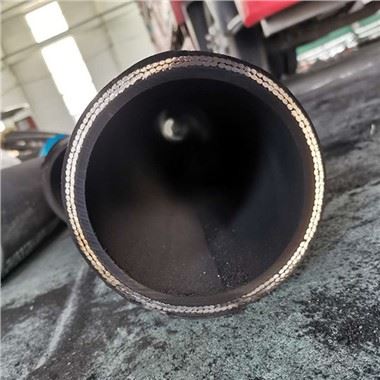
Before delving into the methods of ensuring tight connections, it is essential to have a basic understanding of steel wire braid hydraulic hoses. These hoses are designed to withstand high pressures and are commonly used in hydraulic systems for power transmission. They consist of an inner tube, one or more layers of steel wire braid, and an outer cover. The steel wire braid provides strength and reinforcement, while the inner tube and outer cover protect the hose from abrasion, chemicals, and environmental factors.
Selecting the Right Fittings
One of the most crucial steps in ensuring a tight connection is selecting the right fittings for the steel wire braid hydraulic hoses. Fittings come in various types, including threaded, flanged, and quick-connect fittings. The choice of fitting depends on the application, the pressure requirements, and the type of hydraulic system.
When selecting fittings, it is important to ensure that they are compatible with the hose. This includes considering the size, thread type, and material of the fitting. For example, if the hose has a specific thread size, the fitting must have the same thread size to ensure a proper connection. Additionally, the material of the fitting should be compatible with the fluid being transported in the hydraulic system to prevent corrosion and leakage.
Proper Installation Techniques
Proper installation is key to ensuring a tight connection of steel wire braid hydraulic hoses. Here are some important installation techniques to follow:
1. Cutting the Hose
When cutting the hose, it is important to use a sharp cutting tool to ensure a clean and straight cut. A jagged or uneven cut can prevent the fitting from seating properly, leading to leakage. After cutting the hose, it is recommended to remove any burrs or debris from the cut end to ensure a smooth surface for the fitting.
2. Preparing the Fitting
Before installing the fitting, it is important to clean the fitting and the hose end thoroughly. This helps to remove any dirt, grease, or contaminants that could prevent a tight seal. Additionally, it is recommended to apply a small amount of lubricant to the fitting to make it easier to install and to prevent damage to the hose.
3. Installing the Fitting
When installing the fitting, it is important to follow the manufacturer’s instructions carefully. This includes tightening the fitting to the recommended torque specification. Over-tightening the fitting can damage the hose or the fitting, while under-tightening can result in leakage. It is also important to ensure that the fitting is properly aligned with the hose to prevent kinking or bending.
4. Testing the Connection
After installing the fitting, it is important to test the connection to ensure that it is tight and leak-free. This can be done by pressurizing the hydraulic system and checking for any signs of leakage. If any leakage is detected, the connection should be rechecked and tightened as necessary.
Regular Inspection and Maintenance
Regular inspection and maintenance are essential to ensure the long-term tight connection of steel wire braid hydraulic hoses. Here are some important inspection and maintenance practices to follow:
1. Visual Inspection
Regular visual inspection of the hoses and fittings can help to detect any signs of damage or wear. This includes checking for cracks, cuts, abrasions, and leaks. If any damage is detected, the hose or fitting should be replaced immediately to prevent further problems.
2. Pressure Testing
Periodic pressure testing of the hydraulic system can help to ensure that the hoses and fittings are able to withstand the required pressure. This can be done using a pressure testing device to measure the pressure in the system. If the pressure is found to be outside the recommended range, the hoses or fittings may need to be replaced.
3. Cleaning and Lubrication
Regular cleaning and lubrication of the hoses and fittings can help to prevent corrosion and wear. This includes cleaning the hoses and fittings with a mild detergent and water, and applying a lubricant to the fittings to prevent rust and to make them easier to install and remove.
4. Replacement of Worn Parts
Over time, the hoses and fittings may wear out and need to be replaced. It is important to replace worn parts as soon as possible to prevent leakage and to ensure the safe and efficient operation of the hydraulic system.
Quality Control in Manufacturing
As a supplier of steel wire braid hydraulic hoses, we understand the importance of quality control in manufacturing. We have implemented a rigorous quality control process to ensure that our hoses and fittings meet the highest standards of quality and performance.
1. Material Selection
We carefully select the materials used in the manufacturing of our hoses and fittings to ensure that they are of the highest quality. This includes using high-strength steel wire for the braid, and high-quality rubber for the inner tube and outer cover.
2. Manufacturing Process
We use advanced manufacturing processes to ensure that our hoses and fittings are produced with precision and accuracy. This includes using state-of-the-art equipment and technology to ensure that the hoses and fittings meet the required specifications.
3. Testing and Inspection
We conduct extensive testing and inspection of our hoses and fittings to ensure that they are free from defects and meet the required performance standards. This includes pressure testing, leak testing, and visual inspection.
Conclusion
Ensuring the tight connection of steel wire braid hydraulic hoses is essential for the safe and efficient operation of hydraulic systems. By selecting the right fittings, following proper installation techniques, conducting regular inspection and maintenance, and implementing quality control in manufacturing, we can ensure that our hoses and fittings provide a reliable and long-lasting solution for our customers.
Steel Wire Spiral Hydraulic Hose If you are in need of high-quality steel wire braid hydraulic hoses and fittings, please feel free to contact us for a consultation. We are committed to providing our customers with the best products and services, and we look forward to working with you.
References
- Hydraulic Hose Fittings Handbook.
- Steel Wire Braid Hydraulic Hose Manufacturing Standards.
- Best Practices for Hydraulic System Installation and Maintenance.
Hebei Qianli Rubber Products Co., Ltd.
As one of the most professional steel wire braid hydraulic hose manufacturers and suppliers in China, we have world-leading production equipment and strong manufacturing capabilities. Please feel free to buy bulk durable steel wire braid hydraulic hose made in China here from our factory.
Address: West industrial Zone, Jing County, Hengshui City, Hebei Province, China.
E-mail: manager@hebeiqianli.com
WebSite: https://www.qianlirubber.com/
