When it comes to paddleboarding, selecting the right paddleboard is crucial to ensure an enjoyable and safe experience on the water. As a supplier of sports equipment, I’ve had the privilege of assisting numerous customers in finding the perfect paddleboard for their needs. In this blog post, I’ll share some key factors to consider when choosing a high – quality paddleboard. Sports Equipment

1. Purpose of Use
The first step in choosing a paddleboard is to determine how you plan to use it. Paddleboarding can be used for various activities, such as recreational paddling, touring, surfing, yoga, and fishing. Each activity requires a different type of paddleboard.
- Recreational Paddling: If you’re new to paddleboarding or just want to have a relaxing time on the water, a recreational paddleboard is a great choice. These boards are typically wider and more stable, making them easier to balance on. They are also usually shorter in length, which makes them more maneuverable.
- Touring: For longer trips on open water, a touring paddleboard is ideal. Touring boards are longer and narrower than recreational boards, which allows them to glide through the water more efficiently. They also have more storage space for gear, such as a cooler, a dry bag, and a paddle.
- Surfing: If you’re interested in riding waves, a surf paddleboard is the way to go. These boards are shorter and more maneuverable than touring boards, and they have a more pointed nose and tail, which helps them cut through the water.
- Yoga: Paddleboard yoga has become increasingly popular in recent years. A yoga paddleboard is typically wider and more stable than a regular paddleboard, which provides a solid base for performing yoga poses. They also often have non – slip surfaces to prevent you from slipping off the board.
- Fishing: Fishing paddleboards are designed with features that make them suitable for fishing. They usually have rod holders, storage compartments for tackle, and a stable platform for standing and casting.
2. Board Size
The size of the paddleboard is another important factor to consider. The size of the board will depend on your height, weight, and the type of activity you’ll be doing.
- Length: Longer boards are generally faster and more efficient for touring and paddling in open water. They also provide more stability in choppy conditions. Shorter boards, on the other hand, are more maneuverable and are better for surfing and performing tricks.
- Width: Wider boards are more stable and are easier to balance on, making them a good choice for beginners. Narrower boards are faster and more efficient, but they require more skill to balance.
- Thickness: Thicker boards are more buoyant and can support more weight. They are also more durable and can withstand rough handling. Thinner boards are lighter and more maneuverable, but they may not be as stable or durable.
As a general rule of thumb, if you’re a beginner or a heavier person, you’ll want to choose a wider and thicker board. If you’re an experienced paddler or a lighter person, you can choose a narrower and thinner board.
3. Material
The material of the paddleboard affects its weight, durability, and performance. There are several types of materials used to make paddleboards, each with its own advantages and disadvantages.
- Inflatable Paddleboards (iSUPs): Inflatable paddleboards are made of a durable PVC material and are inflated using a pump. They are lightweight, easy to transport, and can be stored in a small space. They are also relatively inexpensive compared to hard – shell paddleboards. However, they may not be as rigid or as fast as hard – shell paddleboards.
- Hard – Shell Paddleboards: Hard – shell paddleboards are made of fiberglass, epoxy, or carbon fiber. They are more rigid and faster than inflatable paddleboards, and they provide a better performance on the water. However, they are heavier, more expensive, and require more storage space.
- Hybrid Paddleboards: Hybrid paddleboards combine the best of both worlds. They are made of a combination of materials, such as a hard – shell top and an inflatable bottom. They offer the performance of a hard – shell paddleboard with the portability of an inflatable paddleboard.
4. Construction
The construction of the paddleboard also plays a role in its quality and performance. A well – constructed paddleboard will be more durable, stable, and efficient on the water.
- Single – Layer vs. Multi – Layer Construction: Single – layer paddleboards are made of a single layer of material, while multi – layer paddleboards are made of multiple layers of material. Multi – layer paddleboards are generally more durable and rigid than single – layer paddleboards.
- Stringer System: Some paddleboards have a stringer system, which is a series of internal supports that run the length of the board. A stringer system helps to increase the rigidity and strength of the board.
- Deck Pad: The deck pad is the non – slip surface on the top of the paddleboard. A good quality deck pad will provide a comfortable and secure grip, even when wet.
5. Fin System
The fin system of the paddleboard affects its stability, maneuverability, and tracking. There are several types of fin systems available, each with its own advantages and disadvantages.
- Single Fin: A single fin is typically used on touring and racing paddleboards. It provides good tracking and stability, but it may not be as maneuverable as other fin systems.
- Tri – Fin: A tri – fin system, also known as a thruster, is commonly used on surf paddleboards. It provides good maneuverability and allows the board to turn quickly.
- Quad – Fin: A quad – fin system provides a combination of speed and maneuverability. It is often used on high – performance paddleboards.
- Removable Fins: Removable fins are a popular option because they allow you to customize the fin setup of your paddleboard. You can change the fins depending on the type of water conditions and the activity you’re doing.
6. Brand and Reputation
When choosing a paddleboard, it’s important to consider the brand and reputation of the manufacturer. A well – known and reputable brand is more likely to produce high – quality paddleboards that are durable, reliable, and perform well on the water.
- Research Brands: Do some research on different paddleboard brands. Read reviews from other paddlers, and look for brands that have a good reputation for quality and customer service.
- Warranty: A good quality paddleboard should come with a warranty. The warranty will protect you against defects in materials and workmanship. Make sure to read the warranty carefully and understand what is covered.
7. Price
Price is always a consideration when purchasing a paddleboard. Paddleboards can range in price from a few hundred dollars to several thousand dollars. The price of the paddleboard will depend on the size, material, construction, and brand.
- Set a Budget: Before you start shopping for a paddleboard, set a budget. Decide how much you’re willing to spend, and look for paddleboards that fit within your budget.
- Value for Money: Don’t just look for the cheapest paddleboard. Consider the quality, performance, and features of the paddleboard, and look for a board that offers good value for money.
Conclusion
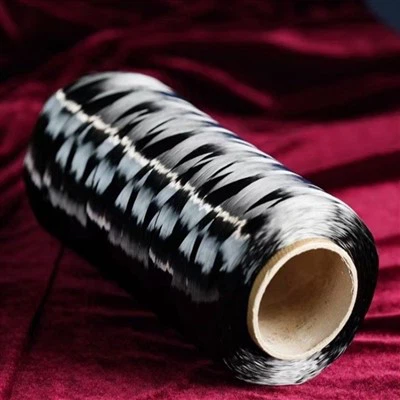
Choosing a good quality paddleboard requires careful consideration of several factors, including the purpose of use, board size, material, construction, fin system, brand, and price. By taking the time to research and understand these factors, you can find a paddleboard that is suitable for your needs and provides an enjoyable and safe experience on the water.
Carbon Fiber Composite Materials If you’re interested in purchasing a high – quality paddleboard or other sports equipment, I’d be more than happy to assist you. We offer a wide range of paddleboards and related accessories, and our team of experts can help you find the perfect equipment for your needs. Contact us to start a procurement discussion, and let’s work together to get you the best sports equipment for your adventures.
References
- "The Ultimate Guide to Paddleboarding" by Paddleboard Magazine
- "Paddleboard Buying Guide" by OutdoorGearLab
- "Paddleboarding 101: Everything You Need to Know" by REI Co – op Journal
Jiaxing Rongjin Intelligent Technology Co., Ltd.
As one of the most professional sports equipment suppliers in China, we have world-leading production equipment and strong manufacturing capabilities. Please rest assured to buy high quality sports equipment in stock here from our factory. Contact us for quotation.
Address: No.503, Building 1, Xicundai Road 228, Honghe Town, Xiuzhou District, Jiaxing City, Zhejiang Province, China
E-mail: vivi@rongjinsmart.com
WebSite: https://www.carbonfibers-china.com/
