As a supplier of stand up pouches, I understand the critical role that closures play in the overall functionality and appeal of these packaging solutions. Choosing the right closure for a stand up pouch is not just about aesthetics; it’s about ensuring product integrity, convenience for the end – user, and cost – effectiveness for the brand. In this blog, I will share some key considerations to help you make the right choice. Stand Up Pouch
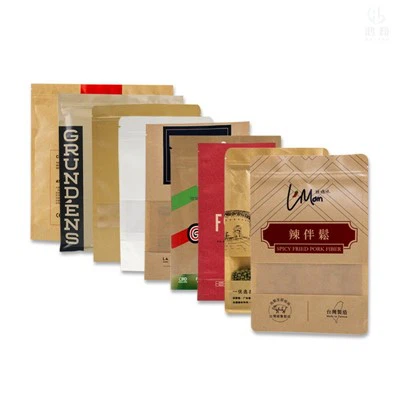
1. Types of Closures for Stand Up Pouches
Zipper Closures
Zipper closures are one of the most popular choices for stand up pouches. They offer a high level of reusability, allowing consumers to open and close the pouch multiple times while keeping the contents fresh. There are different types of zippers available, such as plastic zippers and metal zippers.
Plastic zippers are lightweight, flexible, and cost – effective. They are suitable for a wide range of products, including snacks, pet food, and dry goods. Metal zippers, on the other hand, are more durable and offer a higher level of security. They are often used for products that require a more robust closure, such as heavy – duty industrial items or high – end consumer products.
Press – to – Close Closures
Press – to – close closures, also known as peel – and – seal closures, are another common option. These closures are easy to use and provide a good seal to keep the contents fresh. They are typically made of a flexible plastic material that can be pressed together to form a seal. Press – to – close closures are ideal for products that do not require frequent opening and closing, such as single – serve items or products with a short shelf – life.
Snap Closures
Snap closures consist of two parts that snap together to form a secure seal. They are often used for stand up pouches that need a more secure closure than a press – to – close closure. Snap closures are commonly found on pouches for cosmetics, pharmaceuticals, and other high – value products. They offer a high level of security and can be easily opened and closed by the end – user.
Spout Closures
Spout closures are designed for products that need to be dispensed, such as liquids, gels, or powders. They come in different shapes and sizes, and can be either screw – on or snap – on. Spout closures are commonly used for products like juices, sauces, and lotions. They provide a convenient way for consumers to dispense the product without making a mess.
2. Product Considerations
Product Type
The type of product you are packaging is one of the most important factors to consider when choosing a closure. For example, if you are packaging a dry product like cereal or nuts, a zipper closure would be a good choice as it allows for easy access and keeps the product fresh. On the other hand, if you are packaging a liquid product like shampoo or cooking oil, a spout closure would be more appropriate.
Product Shelf – Life
The shelf – life of your product also plays a role in closure selection. If your product has a long shelf – life, you may want to choose a closure that provides a tight seal to prevent air and moisture from entering the pouch. For products with a short shelf – life, a less secure closure may be sufficient.
Product Fragility
If your product is fragile, you need to choose a closure that will not damage the product during opening and closing. For example, a snap closure may be too forceful for a delicate product, while a press – to – close closure would be a gentler option.
3. User Experience
Ease of Use
The closure should be easy for the end – user to open and close. A complicated closure can be frustrating for consumers and may lead to product dissatisfaction. For example, a zipper that is difficult to pull or a snap closure that requires a lot of force to open can be a turn – off for users.
Convenience
The closure should also be convenient for the user. For example, if the product is intended for on – the – go consumption, a spout closure or a zipper closure that can be easily opened with one hand would be a good choice.
Aesthetics
The closure can also contribute to the overall aesthetics of the stand up pouch. A well – designed closure can enhance the visual appeal of the product and make it more attractive to consumers. For example, a metallic zipper can add a touch of elegance to a high – end product.
4. Cost Considerations
Material Cost
The cost of the closure material is an important factor to consider. Different types of closures have different material costs, and you need to balance the cost with the functionality and quality of the closure. For example, metal zippers are more expensive than plastic zippers, but they offer greater durability.
Production Cost
The production cost of the closure also needs to be taken into account. Some closures may require more complex manufacturing processes, which can increase the production cost. You need to work with your stand up pouch supplier to find a closure that meets your budget without sacrificing quality.
5. Environmental Considerations
Recyclability
In today’s environmentally conscious world, the recyclability of the closure is an important consideration. You should choose a closure that is made from recyclable materials or can be easily separated from the pouch for recycling. For example, some plastic zippers are made from recyclable materials, which can help reduce the environmental impact of your packaging.
Sustainability
Sustainability is also a growing concern. You may want to consider using closures that are made from sustainable materials, such as biodegradable plastics or recycled materials. This can not only help reduce your environmental footprint but also appeal to environmentally conscious consumers.
6. Compatibility with Pouch Material
The closure must be compatible with the material of the stand up pouch. Different pouch materials have different properties, such as flexibility, heat resistance, and chemical resistance. For example, if the pouch is made of a heat – sealable material, the closure should be able to be heat – sealed to the pouch without causing any damage.
7. Branding Opportunities
The closure can also be used as a branding opportunity. You can customize the closure with your brand logo, colors, or other branding elements. This can help increase brand recognition and make your product stand out on the shelves. For example, you can have your brand logo printed on a zipper or a snap closure.
Conclusion
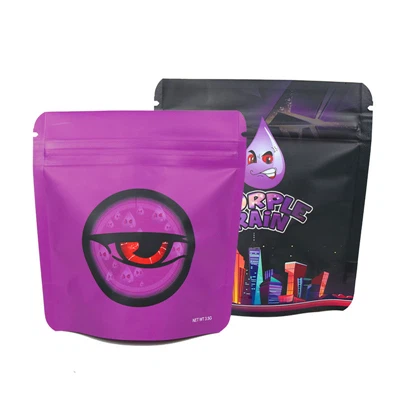
Choosing the right closure for a stand up pouch is a complex decision that requires careful consideration of multiple factors. As a stand up pouch supplier, I am here to help you navigate through these considerations and find the best closure solution for your product. Whether you are looking for a closure that offers high – level security, ease of use, or environmental sustainability, we have the expertise and resources to meet your needs.
Stand Up Pouch If you are interested in learning more about our stand up pouch solutions and closure options, or if you have any specific requirements for your packaging, please feel free to contact us for a consultation. We look forward to working with you to create the perfect packaging solution for your product.
References
- Packaging Machinery Manufacturers Institute (PMMI). (2023). Packaging Machinery Technology Roadmap.
- Smith, J. (2022). The Handbook of Flexible Packaging. Wiley.
- American Chemistry Council. (2023). Plastics Recycling in the United States.
Shenzhen Hongbang Packaging Production Co., Ltd.
We are one of the most experienced stand up pouch manufacturers and suppliers in China, specialized in providing high quality custom service. Please feel free to buy bulk stand up pouch made in China here from our factory. For quotation and free sample, contact us now.
Address: Room 601, BLDG D, Wisdom Centre, No. 58 Nanlian Road, Longgang, Shenzhen China 518116
E-mail: pm@hongbangpack.com
WebSite: https://www.hongbangpack.com/
