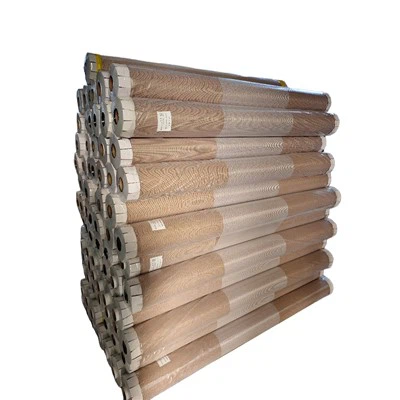
As a seasoned supplier of Custom Functional PVC Film, I’ve witnessed firsthand the transformative power of this remarkable material across a multitude of industries. One of the most critical performance criteria that often comes under scrutiny is its cold – resistance performance. In this extended blog post, we’ll delve deep into the intricacies of what makes our Custom Functional PVC Film stand out in cold environments, explore its scientific underpinnings, and show why it’s the ideal choice for your unique needs. Custom Functional PVC Film
Understanding Cold – Resistance in PVC Films
Cold resistance in PVC films refers to the ability of the material to maintain its physical and chemical properties under low – temperature conditions. When exposed to cold, many materials become brittle, lose their elasticity, and can even crack or break. A high – quality cold – resistant PVC film, on the other hand, retains its flexibility, durability, and functionality.
The key to our Custom Functional PVC Film’s cold – resistance lies in its formulation. We use a blend of specialized plasticizers, stabilizers, and additives that are carefully selected to enhance the film’s low – temperature performance. These components work in harmony to lower the glass transition temperature (Tg) of the PVC. The glass transition temperature is the point at which a material changes from a hard, glassy state to a more flexible, rubbery state. By reducing the Tg, our PVC film remains flexible and malleable even in frigid temperatures.
Scientific Factors Impacting Cold – Resistance
There are several scientific factors that impact the cold – resistance performance of PVC film:
Polymer Structure
The basic structure of PVC itself influences its cold – resistance. PVC is a linear polymer, and its molecular chains have a certain degree of flexibility. However, without the right additives, these chains can become more rigid at low temperatures. Our custom formulation modifies the PVC’s polymer structure to prevent excessive chain mobility reduction in the cold. For instance, we incorporate polymers or copolymers that can intermingle with the PVC chains, providing additional flexibility and resistance to stiffness.
Plasticizers
Plasticizers are perhaps the most important factor in enhancing cold – resistance. They work by inserting themselves between the PVC polymer chains, increasing the space between them and reducing the intermolecular forces. This results in a more flexible material. We use a variety of cold – resistant plasticizers, such as certain phthalates and non – phthalate alternatives. These plasticizers are selected for their ability to maintain their plasticizing effect even at low temperatures, ensuring that the film doesn’t lose its softness and flexibility.
Stabilizers
Stabilizers play a crucial role in protecting the PVC film from the degrading effects of cold and other environmental factors. They prevent the PVC from undergoing thermal degradation, which can be accelerated in cold conditions due to the increased stress on the material. Our stabilizers help to maintain the integrity of the PVC film’s chemical structure, ensuring that it doesn’t break down or become discolored over time, even in cold environments.
Testing the Cold – Resistance Performance
We subject our Custom Functional PVC Film to rigorous testing to ensure it meets our high standards for cold – resistance. One of the primary tests we conduct is the cold bend test. In this test, a sample of the film is bent at a specific low temperature for a set period. If the film cracks or breaks during the bend, it fails the test. Our film consistently passes this test, demonstrating its ability to withstand bending and flexing in cold conditions.
We also perform tensile strength tests at low temperatures. These tests measure the film’s ability to resist being pulled apart. By comparing the tensile strength of the film at room temperature and at low temperatures, we can determine how much its strength is affected by the cold. Our Custom Functional PVC Film shows minimal reduction in tensile strength even at extremely low temperatures, indicating its excellent cold – resistance.
Applications in Cold Environments
Our cold – resistant Custom Functional PVC Film has a wide range of applications in industries that operate in cold environments.
Food Packaging
In the food industry, products are often stored and transported in cold storage facilities. Our PVC film provides an excellent barrier against moisture, oxygen, and other contaminants, keeping food fresh for longer periods. Its cold – resistance ensures that it doesn’t become brittle or crack during the freezing and thawing process, maintaining the integrity of the packaging.
Outdoor Advertising
Cold – resistant PVC film is widely used for outdoor advertising in colder regions. Billboards, banners, and signage made from our film can withstand harsh winter conditions, including freezing temperatures, snow, and ice. The film retains its vibrant colors and flexibility, ensuring that the advertising remains visible and effective throughout the cold season.
Construction
In the construction industry, our PVC film can be used for insulation, vapor barriers, and protective covers. In cold climates, it helps to prevent heat loss and moisture penetration, improving the energy efficiency of buildings. Its cold – resistance means it can be installed easily even in low – temperature conditions and will continue to perform well over time.
Why Choose Our Custom Functional PVC Film for Cold – Resistance
There are several reasons why our Custom Functional PVC Film is the best choice for applications requiring cold – resistance:
Customization
We understand that different industries have different requirements for cold – resistance. That’s why we offer fully customizable solutions. Whether you need a film with a specific cold – bending temperature, tensile strength at low temperatures, or other performance characteristics, we can tailor our formulation to meet your exact needs.
Quality and Consistency
We have strict quality control measures in place to ensure that every roll of our PVC film meets our high standards for cold – resistance. Our state – of – the – art manufacturing facilities and experienced team of experts ensure that the film is produced consistently, so you can rely on it for your cold – weather applications.
Environmentally Friendly Options
We’re committed to sustainability, and we offer environmentally friendly options for our cold – resistant PVC film. Our non – phthalate plasticizers and recyclable materials are not only better for the environment but also meet the growing demand for green products in various industries.
Conclusion
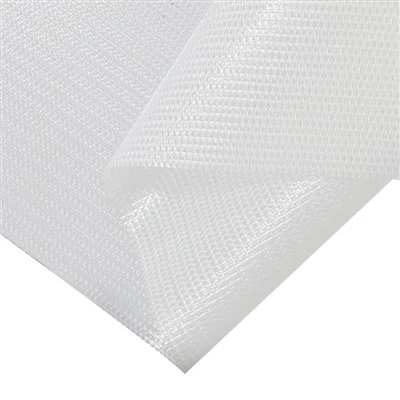
In conclusion, the cold – resistance performance of our Custom Functional PVC Film is a result of advanced formulation, rigorous testing, and a deep understanding of the scientific principles behind it. Whether you’re in the food packaging, outdoor advertising, or construction industry, our film provides a reliable solution for applications in cold environments.
PVC Film If you’re interested in learning more about our Custom Functional PVC Film and how its cold – resistance can benefit your business, I encourage you to reach out to us for a detailed discussion. We’re always eager to engage in conversations with potential partners to understand their specific needs and provide the best possible solutions. Let’s explore how our cold – resistant PVC film can be the perfect fit for your next project.
References
- "Polyvinyl Chloride (PVC) Technology" by W. V. Titow. This book provides in – depth knowledge about PVC polymers, including their structure, properties, and formulation.
- ASTM International standards for testing the physical properties of plastics, including cold bend and tensile strength tests. These standards ensure that our testing methods are accurate and reliable.
- Industry research reports on the use of PVC films in cold – weather applications, which help us stay updated on the latest trends and requirements in the market.
Nantong Dahe Composite New Material Technology Co., Ltd.
Address: South Side of Pinghai Highway, Pinghe Village, Dongshe Town, Tongzhou District, Nantong City, Jiangsu Province, China
E-mail: nantongdahe@outlook.com
WebSite: https://www.cndahetech.com/
