What are the different models of PET injection moulding machines available in the market?
As a supplier of PET injection moulding machines, I’ve had the privilege of witnessing the dynamic evolution of this industry. The market for PET injection moulding machines is diverse, with various models designed to meet different production needs, from small – scale operations to large – scale industrial manufacturing. In this blog, I’ll explore the different models of PET injection moulding machines available in the market. PET Injection Moulding Machine
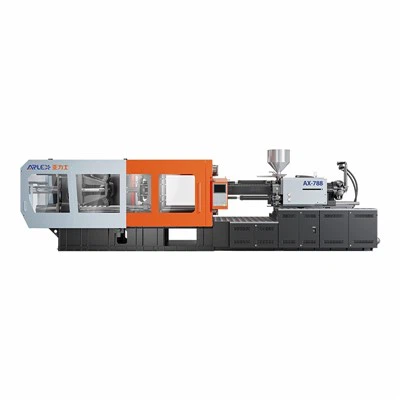
1. Hydraulic PET Injection Moulding Machines
Hydraulic PET injection moulding machines have been a staple in the industry for a long time. These machines use hydraulic power to drive the injection and clamping processes.
Advantages
- High force capabilities: Hydraulic machines can generate high clamping forces, which are essential for moulding large or complex PET products. This makes them suitable for applications where a high level of precision and pressure is required, such as in the production of large – sized PET containers.
- Reliability: They are known for their robust construction and long – term reliability. With proper maintenance, hydraulic machines can operate for many years, providing consistent performance.
Disadvantages
- Energy consumption: Hydraulic systems tend to consume more energy compared to other types of machines. The constant operation of the hydraulic pump requires a significant amount of power, which can lead to higher operating costs over time.
- Maintenance requirements: Hydraulic machines have more moving parts, such as hydraulic cylinders and valves, which need regular maintenance. This can increase the overall cost of ownership.
These machines are commonly used in industries where high – volume production of standard – sized PET products is required, such as the beverage packaging industry.
2. Electric PET Injection Moulding Machines
Electric PET injection moulding machines have gained popularity in recent years due to their energy – efficiency and precision.
Advantages
- Energy efficiency: Electric machines use less energy compared to hydraulic machines. They operate on electric motors, which can be precisely controlled to consume only the necessary amount of power during the injection and clamping processes. This not only reduces operating costs but also makes them more environmentally friendly.
- Precision: Electric machines offer high – precision control over the injection process. They can accurately control the speed, pressure, and position of the screw, resulting in more consistent product quality. This is particularly important for applications where tight tolerances are required, such as in the production of medical PET products.
- Low noise levels: Electric machines operate more quietly compared to hydraulic machines, creating a more comfortable working environment.
Disadvantages
- Higher initial cost: Electric PET injection moulding machines generally have a higher upfront cost compared to hydraulic machines. However, the long – term savings in energy and maintenance costs can offset this initial investment.
- Limited force capabilities: While electric machines are improving in terms of force capabilities, they may not be suitable for applications that require extremely high clamping forces.
These machines are often used in industries where energy efficiency, precision, and clean operation are crucial, such as the electronics and medical device industries.
3. Hybrid PET Injection Moulding Machines
Hybrid PET injection moulding machines combine the advantages of both hydraulic and electric systems.
Advantages
- Energy efficiency and high force: Hybrid machines use an electric drive for the injection unit, which provides energy – efficient and precise control. At the same time, they use a hydraulic system for the clamping unit, which can generate high clamping forces. This combination allows for both energy savings and the ability to handle large – scale moulding operations.
- Flexibility: Hybrid machines offer more flexibility in terms of production. They can be easily adjusted to meet different production requirements, making them suitable for a wide range of applications.
Disadvantages
- Complexity: Hybrid machines are more complex than single – system machines, which may require more advanced maintenance and technical knowledge.
Hybrid machines are suitable for industries that require a balance between energy efficiency and high – force capabilities, such as the automotive and consumer goods industries.
4. Two – stage PET Injection Moulding Machines
Two – stage PET injection moulding machines are designed specifically for the production of PET preforms.
Advantages
- Better material distribution: In a two – stage process, the plastic material is first melted and plasticized in a separate plasticizing unit. Then, the molten plastic is injected into the mould. This allows for better control of the material distribution and reduces the risk of material degradation.
- Higher production efficiency: Two – stage machines can produce PET preforms at a higher rate compared to single – stage machines. They are capable of producing multiple preforms in a single cycle, which increases productivity.
Disadvantages
- Higher cost: Two – stage machines are generally more expensive than single – stage machines due to their more complex design and additional components.
These machines are widely used in the PET preform manufacturing industry, which supplies preforms to the beverage and packaging industries.
5. Multi – cavity PET Injection Moulding Machines
Multi – cavity PET injection moulding machines are designed to produce multiple PET products simultaneously.
Advantages
- High – volume production: These machines can significantly increase production output by producing multiple products in a single cycle. This is ideal for large – scale manufacturing operations where high – volume production is required.
- Cost – effectiveness: By producing multiple products at once, multi – cavity machines can reduce the cost per unit. This makes them a cost – effective solution for mass production.
Disadvantages
- Higher initial investment: Multi – cavity machines require a higher initial investment due to their larger size and more complex moulds.
- Mould complexity: The design and manufacturing of multi – cavity moulds are more complex, which may require more expertise and time.
Multi – cavity machines are commonly used in industries such as the food and beverage packaging industry, where large quantities of PET containers need to be produced.
In conclusion, the market for PET injection moulding machines offers a wide range of models to suit different production needs. Whether you are looking for energy – efficient machines for small – scale production or high – force machines for large – scale manufacturing, there is a model available for you. As a supplier, I can help you choose the right machine based on your specific requirements. If you are interested in purchasing a PET injection moulding machine or have any questions about our products, please feel free to contact us for a detailed discussion. We are committed to providing you with the best solutions and support for your PET moulding needs.
Hopper Dryer References
- "Injection Moulding Handbook" by Dominik D. Ulbrich
- "Plastics Processing Technology" by Donald V. Rosato
Ningbo Yalishi (Arlex) Plastic Machinery Co., Ltd.
Ningbo Yalishi(Arlex) Plastic Machinery Co., Ltd. is one of the most reliable pet injection moulding machine manufacturers and suppliers in China, featured by quality products and low price. Please rest assured to wholesale cheap pet injection moulding machine made in China here from our factory. Customized orders are welcome.
Address: No.63, Huangsu East Road, Industrial Zone, Dongqian Lake Tourist Resort, Ningbo, Zhejiang Province
E-mail: leo@arlex.cn
WebSite: https://www.arleximm.com/
