Can water treatment equipment be used in food processing plants? Water Treatment Equipment
As a supplier of water treatment equipment, I often encounter inquiries from food processing plants about the applicability of our products. The answer is a resounding yes, and in this blog, I will explore the reasons and benefits of using water treatment equipment in food processing plants.
The Importance of Water in Food Processing
Water is an essential ingredient in almost every aspect of food processing. It is used for cleaning, rinsing, cooking, and as a component in many food products. The quality of water used in food processing can have a significant impact on the safety, quality, and taste of the final product. Contaminated water can introduce harmful microorganisms, chemicals, and other impurities that can lead to foodborne illnesses, spoilage, and off-flavors.
Challenges of Using Untreated Water in Food Processing
Using untreated water in food processing can pose several challenges. Firstly, it may contain high levels of bacteria, viruses, and other pathogens that can contaminate the food products. This can lead to foodborne illnesses such as E. coli, Salmonella, and Listeria, which can have serious health consequences for consumers. Secondly, untreated water may contain minerals, heavy metals, and other contaminants that can affect the taste, texture, and appearance of the food products. For example, high levels of iron can cause discoloration and off-flavors in beverages, while excessive hardness can lead to scaling in equipment and pipes. Finally, untreated water can also cause corrosion and damage to equipment, reducing its lifespan and increasing maintenance costs.
Benefits of Using Water Treatment Equipment in Food Processing Plants
Water treatment equipment can help food processing plants overcome these challenges and ensure the quality and safety of their products. Here are some of the key benefits of using water treatment equipment in food processing plants:
1. Improved Water Quality
Water treatment equipment can remove a wide range of contaminants from water, including bacteria, viruses, minerals, heavy metals, and other impurities. This helps to improve the quality of water used in food processing, reducing the risk of foodborne illnesses and improving the taste, texture, and appearance of the food products.
2. Compliance with Regulatory Standards
Food processing plants are subject to strict regulatory standards regarding the quality of water used in their operations. Water treatment equipment can help plants meet these standards by ensuring that the water used in food processing meets the required quality criteria. This can help to avoid costly fines and legal issues.
3. Increased Efficiency and Productivity
Water treatment equipment can help to improve the efficiency and productivity of food processing plants. By removing contaminants from water, it can reduce the frequency of equipment maintenance and downtime, improving the overall productivity of the plant. Additionally, water treatment equipment can help to reduce the use of chemicals and other resources, leading to cost savings and environmental benefits.
4. Extended Equipment Lifespan
Water treatment equipment can help to extend the lifespan of equipment used in food processing plants. By removing contaminants from water, it can reduce the risk of corrosion and damage to equipment, increasing its lifespan and reducing the need for costly replacements.
5. Enhanced Product Quality
Water treatment equipment can help to enhance the quality of food products by improving the taste, texture, and appearance of the products. By removing contaminants from water, it can reduce the risk of off-flavors, discoloration, and other quality issues, leading to higher-quality products that are more appealing to consumers.
Types of Water Treatment Equipment for Food Processing Plants
There are several types of water treatment equipment that can be used in food processing plants, depending on the specific needs and requirements of the plant. Here are some of the most common types of water treatment equipment:
1. Filtration Systems
Filtration systems are used to remove suspended solids, sediment, and other impurities from water. They can be used to pre-treat water before it is further processed by other water treatment equipment. Filtration systems can include sand filters, activated carbon filters, and membrane filters.
2. Reverse Osmosis Systems
Reverse osmosis systems are used to remove dissolved salts, minerals, and other contaminants from water. They work by forcing water through a semi-permeable membrane, which allows water molecules to pass through while rejecting contaminants. Reverse osmosis systems are commonly used in food processing plants to produce high-quality water for use in food products.
3. Ultraviolet (UV) Disinfection Systems
UV disinfection systems are used to kill bacteria, viruses, and other microorganisms in water. They work by exposing water to ultraviolet light, which damages the DNA of microorganisms and prevents them from reproducing. UV disinfection systems are commonly used in food processing plants to ensure the safety of water used in food products.
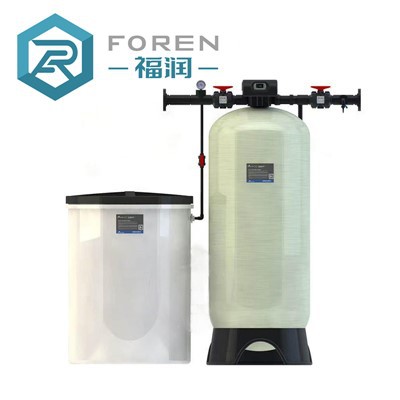
4. Ion Exchange Systems
Ion exchange systems are used to remove specific ions from water, such as calcium, magnesium, and sodium. They work by exchanging these ions with other ions, such as hydrogen or hydroxide ions. Ion exchange systems are commonly used in food processing plants to soften water and reduce the risk of scaling in equipment and pipes.
5. Chemical Dosing Systems
Chemical dosing systems are used to add chemicals to water to treat specific contaminants or to adjust the pH of the water. They can be used to add disinfectants, coagulants, flocculants, and other chemicals to water. Chemical dosing systems are commonly used in food processing plants to ensure the quality and safety of water used in food products.
Conclusion
Packaging Equipment In conclusion, water treatment equipment can be used in food processing plants to improve the quality and safety of water used in food products. By removing contaminants from water, water treatment equipment can help to reduce the risk of foodborne illnesses, improve the taste, texture, and appearance of food products, and increase the efficiency and productivity of food processing plants. If you are a food processing plant looking for water treatment solutions, I encourage you to contact us to discuss your specific needs and requirements. We have a wide range of water treatment equipment and solutions that can be customized to meet the unique needs of your plant. Let’s work together to ensure the quality and safety of your food products.
References
- American Water Works Association. (2019). Water Quality and Treatment: A Handbook of Community Water Supplies. McGraw-Hill Education.
- Food and Drug Administration. (2019). Food Safety Modernization Act (FSMA). Retrieved from https://www.fda.gov/food/food-safety-modernization-act-fsma
- World Health Organization. (2017). Guidelines for Drinking-Water Quality. World Health Organization.
Qingzhou Foren Water Treatment Equipment Co., Ltd.
As one of the most professional water treatment equipment manufacturers and suppliers in China, we offer a wide range of products with superior quality. Please feel free to buy customized water treatment equipment made in China here from our factory. Contact us for quotation.
Address: No.999 Haidai North Road, Economic development Zone, Qingzhou City, Shandong Province
E-mail: alice@forenwater.com
WebSite: https://www.forenwater.com/
