If you’ve ever dug into a bowl of roasted pecans mid-afternoon, you’ve probably thought of them as a satisfying, crunchy snack—something to hold you over until dinner, or a sweet add-on to a salad or baked good. But as a pecan supplier, I get asked a lot of unexpected questions by café owners, bakery operators, and even home cooks who reach out for bulk orders. One that comes up more often than you might guess is “Do pecans have fiber?” It’s a simple question, but the answer ties directly to why pecans aren’t just a tasty nut—they’re a nutrient-dense choice that aligns with so many people’s goals for balanced eating, from managing digestion to keeping energy steady through long workdays. Let’s break this down, from the science of fiber in pecans to why it matters for anyone buying in bulk, and what that means for your menu or pantry. Pecans
First, let’s talk about what fiber actually is, because there’s often confusion between different types of carbs and what counts as a “good” source of fiber. Most people know fiber is the part of plant foods your body can’t digest or absorb, right? Unlike other carbs, which break down into sugar, fiber moves through your digestive tract, supporting everything from regularity to feeding the good bacteria in your gut. There are two key types: soluble fiber, which dissolves in water and can help lower cholesterol and regulate blood sugar, and insoluble fiber, which adds bulk to stool and supports consistent digestion. Now, where do pecans fit in here? Let’s look at the numbers, because as a supplier, I don’t just rely on popular food blogs—I check peer-reviewed data from places like the USDA FoodData Central, which is the gold standard for nutrient information. A 1-ounce serving of pecans (that’s about 19 halves, the amount most people toss in a snack bag) has roughly 2.7 grams of total dietary fiber. Wait, that might not sound like a lot next to, say, a cup of cooked oats (which has 4 grams) or a cup of black beans (15 grams), but here’s the catch: pecans are also high in healthy fats, protein, and vitamins, so that fiber is packed into a tiny, portable package that doesn’t require prepping or cooking. Compare that to a fiber-rich grain, which takes time to cook, or a vegetable that might wilt or go bad in a week. For busy café owners putting together grab-and-go snack packs, or bakery teams adding a crunch to cookies, that combination of fiber and portability is a game-changer.
What’s even more interesting is how that fiber in pecans breaks down into soluble vs. insoluble. From what I’ve read in studies from the University of Georgia’s College of Agricultural and Environmental Sciences, which does a ton of research on tree nuts like pecans, roughly a third of the fiber in pecans is soluble, and two-thirds is insoluble. Let me translate that into real benefits, not just lab jargon. The insoluble fiber is the part that keeps your digestive system moving: if you struggle with irregularity, a handful of pecans after a meal can help that process without the harsh side effects of some supplements. The soluble fiber, on the other hand, binds to cholesterol in your gut, which can help lower “bad” LDL cholesterol over time—something that’s a big deal for health-conscious consumers who are starting to ask for more nutrient-dense ingredients on menus or in bulk grocery orders. I’ve had several regular wholesale clients tell me they started offering pecan snack packs specifically because customers were asking for snacks that felt “satisfying” but not heavy—no sugar crash, just enough fiber and protein to hold them over. And when you’re sourcing pecans from a reliable supplier, that fiber content is consistent too, no matter the season, because we test every batch to make sure our nuts meet the nutrient specs our clients count on.
Wait, let’s also address a common misconception: a lot of people think nuts are just “fatty” and don’t have much fiber. That’s not true, and pecans are a perfect example. Almonds have more total fiber per ounce (about 3.5 grams), but pecans come with something almonds don’t: a higher ratio of omega-3 fatty acids. So you’re getting fiber, healthy fats, and anti-inflammatory properties all in one serving. For chefs creating plant-based menu items, that’s huge—they don’t have to add multiple ingredients to hit a fiber target; pecans do it all. I remember a café owner who switched from sunflower seeds to pecans for their power bowls a couple years back. They told me sales of their signature bowls went up 18% because customers noticed the nuts kept them full longer, and when they added pecan halves to their grab-and-go snack packs, they sold out every day instead of leaving half the stock to go stale. That’s the kind of impact a small, nutrient-rich ingredient can have when you know what it brings to the table.
Another point: fiber isn’t just good for digestion. It also helps regulate blood sugar, which is a big concern for anyone managing diabetes, or just people who get hangry 20 minutes after a sugary snack. Let’s do a quick comparison: a 1-ounce serving of pecans has 3 grams of fiber, 2.5 grams of protein, and 19 grams of mostly monounsaturated fat—hardly any sugar, just 1 gram total. If you pair that with, say, a piece of fruit, you’ve got a balanced snack that won’t spike your blood sugar. That’s why so many dietitians recommend pecans as a go-to snack for stable energy, and why wholesale clients who work with dietitians for their menu planning will often order cases of pecans specifically to meet that demand. As a supplier, I make sure we can ship bulk orders on short notice for those last-minute menu updates, because I know how important it is for businesses to have the ingredients their customers are asking for.
Now, let’s talk about what affects the fiber content in pecans, because not all pecans are the same. If you’re buying low-quality, stale, or improperly processed pecans, you might notice a drop in nutrient content, including fiber. That’s why sourcing from a supplier who takes care at every step—from harvesting to storage—is key. For example, pecans are harvested in the fall, and if they’re not dried properly within a few days, they can develop mold, which breaks down some of the fiber and nutrients. At our operation, we work directly with family-owned farms in the Southeast U.S., where the climate is perfect for growing pecans, and we test every batch for moisture content, nutrient levels, and freshness before we ship. We also don’t use any additives or preservatives, so the fiber and all the other nutrients stay intact from the farm to your kitchen. I’ve had clients tell me that after switching to our pecans, they noticed their snack packs lasted longer (because of proper drying) and that customers commented on how much better the pecans tasted, too—proof that quality ties directly to both nutrition and customer satisfaction.
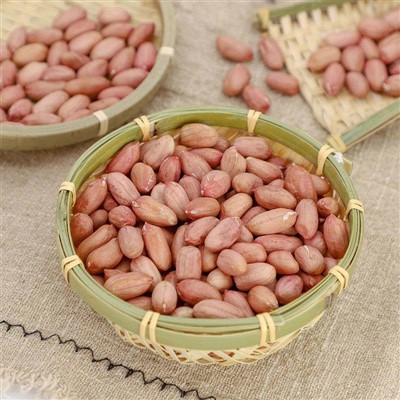
What about shelled vs. in-shell pecans? Do they have different fiber content? The short answer is not much, but there’s a small caveat. The outer layer of the pecan, sometimes called the pellicle, is a thin, reddish-brown skin that some people peel off. That pellicle actually has a small amount of additional fiber and antioxidants, so if you’re buying shelled pecans with the pellicle on, you’re getting a little extra fiber than if you peel them. It’s not a huge difference—maybe 0.1 grams per ounce—but it’s a detail that matters for customers who are tracking their fiber intake closely. For example, a bakery that makes pecan pie for a diabetic menu might ask for pecans with the pellicle on to maximize the fiber content without adding any other ingredients. We can accommodate that, too—we offer both pellicle-on and pellicle-off shelled pecans in bulk, so our clients can choose what works best for their needs.
Let’s also touch on how people use pecans, because that’s where the fiber really shines. It’s not just for snacking. I’ve seen clients use pecans in granola bars, where the fiber helps the bar stay together and keeps customers full. In salads, the pecans add a crunch that’s paired with fiber from the greens, making a light salad feel satisfying. Even in baked goods, like pecan cookies or cakes, the fiber from the pecans can cut down on the need for extra sugar, because the fiber and fat help balance the sweetness. A few years ago, a gluten-free bakery came to me looking for a bulk nut they could use in their cookies that would add fiber without making the texture too heavy. They started using our pecans, and within six months, their gluten-free pecan cookies were their top-selling item. That’s the kind of thing I love as a supplier—helping clients find ingredients that solve specific problems, like needing a fiber boost, while also making their products taste better.
Now, let’s get back to the original question: Do pecans have fiber? The answer is a definitive yes, but it’s not just a yes/no. It’s about how that fiber works with all the other nutrients in pecans to make them a versatile, valuable ingredient for any business or home kitchen. Whether you’re a café owner building a snack menu, a bakery developing a new line of goods, a grocery store restocking bulk nuts, or a home cook looking for a nutrient-dense snack, pecans check a lot of boxes. They’re portable, tasty, affordable in bulk, and packed with fiber, healthy fats, and vitamins that customers and family alike are looking for.
If you’re interested in adding high-quality, consistent pecans to your products, or if you just have questions about bulk ordering, fiber content, or how our pecans can work for your menu, I’d be happy to connect. We work with businesses of all sizes, from small local bakeries to large chain grocery stores, and we can accommodate custom orders, fast shipping, and whatever other needs you have. Don’t hesitate to reach out to start a conversation about how pecans can fit into your offerings.
Dried Blueberry References:
- U.S. Department of Agriculture. (2023). FoodData Central: Pecans, raw. Retrieved from USDA FoodData Central
- College of Agricultural and Environmental Sciences, University of Georgia. (2022). Nutrient profile and health benefits of tree nuts: Pecans. UGA Extension Publications
- American Heart Association. (2021). Healthy snacks for a balanced diet. Retrieved from American Heart Association Nutrition Center
Anhui Yicheng Import & Export Co., Ltd.
We’re well-known as one of the leading pecans manufacturers and suppliers in China, specialized in providing high quality customized products. We warmly welcome you to wholesale bulk cheap pecans from our factory. For free sample, contact us now.
Address: Room 301, Building 36, Changhong Century Rongting, Yaohai District, Hefei City, Anhui Province, China
E-mail: shirley@yichengah.com
WebSite: https://www.yichengnuts.com/
