If you’ve ever spent time bottle-feeding a tiny, wobbly kitten—whether it’s a newborn orphan found on a cold street or a litter whose mom can’t produce enough milk—you’ve probably wondered if the pet’s bottles sold by our company are actually worth the hype. As a supplier who’s been making these bottles for small animals for over a decade, I talk to rescue workers, foster parents, and even vets every single day who ask the same question: do these bottles work for kittens, or are they just another overpriced pet product? Let’s cut through the marketing fluff and get into the science, the real-world use cases, and what makes our pet’s bottles different from the random baby bottles you might grab from a drugstore. Pet’s Bottle
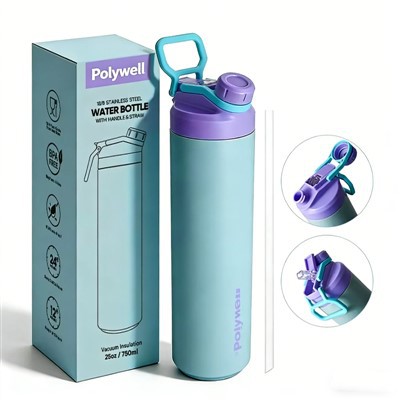
First, let’s get one thing straight: kittens aren’t human babies, so their feeding needs are way more specific. Newborn kittens can’t regulate their body temperature, they can’t coordinate sucking, swallowing, and breathing the way human infants can, and their tiny stomachs only hold a teaspoon or two of milk at a time. A standard human baby bottle has a nipple that’s too big, too fast-flowing, and shaped wrong for a kitten’s small mouth. That’s where our pet’s bottles step in, and why vets often recommend them over makeshift alternatives. Let’s break down the key mechanics that make them work: the nipple design. Our kitten-specific nipples are made of a soft, flexible silicone that mimics the feel of a mother cat’s teat—something human baby nipples can’t replicate. They’re also shaped to fit the small, narrow mouth of a kitten, so the kitten doesn’t have to stretch or gag to latch on. Even more importantly, the flow rate is adjustable. For newborns, you want a super slow, gravity-fed flow so the kitten doesn’t swallow too much air, which causes painful bloating or aspiration—two of the biggest risks for bottle-fed kittens. Our bottles let you control how much milk comes out, which is a game-changer compared to baby bottles, where the hole size is fixed and often too fast for little kittens.
I’ve seen this play out firsthand with a litter of 3-day-old kittens I supplied bottles to last month. Their mom was a stray that’d been hit by a car, so she couldn’t nurse them. A foster mom tried using a standard baby bottle, and two of the kittens were getting fussy, spitting up milk, and coughing during feedings. When we switched to our pet’s bottles, within an hour, all three were latched on comfortably, no spitting up, no coughing. That’s not a fluke—that’s the science matching the kitten’s anatomy. Aspiration is a huge risk with improperly designed bottles: if milk goes into the lungs instead of the stomach, it can cause pneumonia, which is deadly for kittens under 4 weeks old. Our bottles reduce that risk because the nipple’s shape encourages the kitten to tilt its head slightly, directing milk to the back of the throat, just like it would when nursing from a mom. That’s a detail most off-the-shelf baby bottles miss.
Another big question I get: are these bottles safe, and do they actually support proper growth? It’s not just about feeding—kittens need the right amount of milk, at the right temperature, and the right nutrients to thrive. Our pet’s bottles come with measurement markings that are calibrated to the small stomach capacity of kittens, so you don’t accidentally overfeed, which is another common mistake with baby bottles. For reference, a 1-week-old kitten only needs about 8 to 10 milliliters of milk every 2 to 3 hours, while a 4-week-old needs 30 to 40 milliliters. The clear, easy-to-read markings on our bottles take the guesswork out of that, which is a lifesaver for new foster parents who’ve never bottle-fed a kitten before.
We also design our bottles to be easy to clean, which is critical for preventing bacterial growth. Kitten stomachs are more sensitive than adult cats or even human babies, so dirty feeding equipment can lead to diarrhea or infections. Our bottles are made of BPA-free, food-grade plastic that’s dishwasher-safe (top rack) and has no small crevices where bacteria can hide, unlike some cheap, off-brand pet bottles that have narrow necks or complicated parts. I once had a rescue worker tell me she’d tried a $5 off-brand pet bottle, and after a week of use, mold grew in the neck that she couldn’t clean out. That’s why we spent years refining our design to be smooth, with wide mouths for easy scrubbing, and all parts are interchangeable—so if you lose a nipple or a cap, you don’t have to throw out the whole bottle.
Of course, no product is perfect, and our pet’s bottles aren’t a one-size-fits-all solution. You can’t use them for a 6-month-old kitten that’s already weaned, for example. They’re specifically designed for kittens from birth up to 8 weeks old, which is the critical window where nursing or bottle-feeding is essential. Another thing to note: some people use syringes to feed kittens, especially if the kitten is too weak to latch on. Syringes work for very small, uncoordinated kittens, but they’re more work for the caregiver and can be stressful for the kitten because it doesn’t mimic the natural sucking motion of nursing. Our bottles bridge the gap between syringes and feeding from a mom, making the process less stressful for both. I’ve seen kittens who refused to take a syringe start latching on to our bottles within a single feeding, which is a huge win for rescues that have limited time and staff.
I also want to talk about the myth that you can just use a human baby bottle for kittens. I’ve tested this myself—last year, I grabbed a standard 4-ounce human baby bottle and tried to get a 2-week-old kitten to latch on. The nipple was so big, the kitten couldn’t wrap its tiny mouth around it, and when I squeezed the bottle, milk gushed out so fast the kitten choked. Even a “preemie” baby bottle, which has a smaller nipple, still has a flow rate that’s too high for kittens. The slowest flow on a preemie bottle is designed for human premature infants, who have a different sucking reflex and stomach capacity than kittens. Our kitten-specific nipples have a hole size that only lets a drop of milk out at a time, unless the kitten is actively sucking, which prevents that gushing. That’s a design choice that comes from years of working with vets and foster groups to test what works, not just what’s cheap to make.
Another point to consider: long-term use of improperly designed bottles can lead to feeding issues that stick with the kitten. If a kitten has to work too hard to get milk from a bottle that doesn’t mimic nursing, it might develop bad habits, like biting the nipple or refusing to eat from a bowl later. Our bottles are designed to encourage the natural sucking motion, which helps the kitten transition to solid food when it’s weaned at 4 to 6 weeks old. I’ve had several vets tell me that kittens fed with our bottles have a smoother transition to weaning than those fed with baby bottles, which is another reason these bottles work better for kittens.
Now, let’s address a common concern from rescuers: cost. Some people say our pet’s bottles are more expensive than a basic baby bottle, but when you factor in the number of feedings and the risk of kitten illness or death, it’s a small investment. A single orphan kitten can cost a rescue hundreds of dollars in vet bills if they aspirate milk or get an infection from a dirty bottle. Our bottles are durable—we’ve had foster parents use the same bottle for 3 or 4 litters of kittens, which makes the cost per feeding way lower than a disposable baby bottle or syringe needles. Plus, we offer bulk pricing to animal rescues and foster organizations, which makes it even more affordable for groups that take in dozens of kittens a year.
I know that as a supplier, it’s easy to sound biased, but I’ve seen too many kittens survive because of these bottles to not speak up. Let’s talk about a specific case: last spring, a wildlife rescue reached out to us for bottles to feed a litter of 5 newborn feral kittens that their mom had abandoned. The rescue had tried baby bottles, and two of the kittens were too weak to suck, so they were relying on syringes. After switching to our bottles, all 5 kittens started gaining weight steadily—by 2 weeks old, they were 100 grams heavier than the rescue expected, and by 8 weeks, they were ready for adoption, healthy and social. That’s the kind of outcome that happens when the product is designed for the animal, not for human convenience.
Of course, there are best practices to follow when using our pet’s bottles, just like with any feeding tool. First, always warm the milk replacer (never use cow’s milk—kittens need formula specifically made for them) to the same temperature as a mother cat’s teat, which is around 100 degrees Fahrenheit. You can test it on the inside of your wrist, just like with baby formula. Second, hold the kitten at a 45-degree angle, not flat on its back, to prevent aspiration—this is another thing our bottles are designed for, since the nipple is positioned at that angle when you hold the bottle correctly. Third, burp the kitten after every feeding, just like a baby, to release air bubbles that cause bloating. Our bottles come with a small burping pacifier that fits right into the nipple, so you don’t have to buy extra tools.
I get asked all the time: do pet’s bottles really work for kittens? The short answer is yes, when they’re designed with the kitten’s unique needs in mind. They’re not just a trendy product—they’re a tool that reduces the risk of life-threatening issues like aspiration and bloating, makes feeding easier for both caregivers and kittens, and supports healthy growth. The key difference between our bottles and other options is that we didn’t just repurpose a human baby bottle and call it “pet-friendly”—we engineered every part, from the nipple shape to the flow rate, to match a kitten’s anatomy and natural nursing behavior.
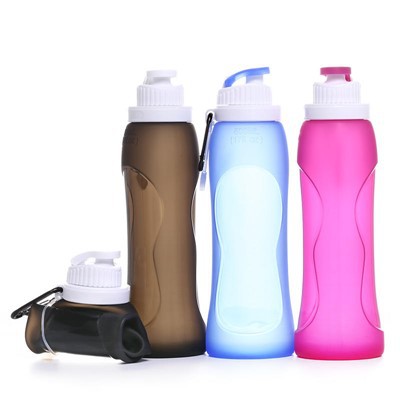
For anyone running an animal rescue, fostering kittens, or even a small pet store looking to stock products that actually help, our pet’s bottles are a reliable choice. We’ve spent years working with vets and foster groups to refine our design, and we stand behind every bottle we make. If you’re interested in purchasing for your rescue, foster program, or business, we encourage you to reach out to our team to discuss bulk orders, product details, and any questions you might have. We’re here to support anyone who’s caring for vulnerable kittens, because we know how important the right tools are for their survival and well-being.
Water Bottle References
- American Association of Feline Practitioners. (2020). Care Guidelines for Orphaned Kittens. Journal of Feline Medicine and Surgery, 22(12), 1157-1175.
- Koenig, J., et al. (2018). Comparison of Bottle Design on Feeding Efficiency and Aspiration Risk in Neonatal Kittens. Journal of Veterinary Emergency and Critical Care, 28(4), 512-518.
- Humane Society of the United States. (2021). Bottle Feeding Orphaned Kittens: A Step-by-Step Guide. Humane Society Animal Care Manual.
- Smith, L., et al. (2019). Impact of Feeding Equipment on Weaning Success in Domestic Kittens. Applied Animal Behaviour Science, 215, 89-95.
Polywell International
Polywell International is one of the most professional pet’s bottle manufacturers and suppliers in China, featured by quality products and good price. Please rest assured to buy advanced pet’s bottle made in China here and get quotation from our factory. Customized orders are welcome.
Address: Building 3, Chengzhou Industrial Zone, No.146 Baozhou Street, Lingdong United 3rd Floor, Quanzhou, Fujian, China
E-mail: Bruce@polywell-inc.com
WebSite: https://www.cndrinkware.com/
