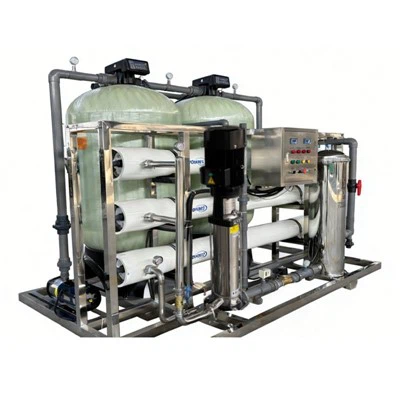
As a seasoned provider of membrane filtration equipment, I’ve witnessed firsthand the transformative power of this technology across various industries. Membrane filtration is a critical process in water treatment, pharmaceuticals, food and beverage production, and many other sectors. However, to fully harness its benefits, optimizing the performance of membrane filtration equipment is essential. In this blog, I’ll share some practical tips and strategies based on my years of experience in the field. Membrane Filtration Equipment
Understanding the Basics of Membrane Filtration
Before delving into optimization techniques, it’s crucial to have a solid understanding of how membrane filtration works. Membrane filtration is a physical separation process that uses a semi – permeable membrane to separate particles, molecules, or ions from a fluid based on their size, shape, and charge. There are different types of membrane filtration, including microfiltration (MF), ultrafiltration (UF), nanofiltration (NF), and reverse osmosis (RO), each with its own pore size range and application.
The performance of membrane filtration equipment is typically measured by parameters such as flux (the rate of fluid flow through the membrane), rejection rate (the percentage of solutes or particles retained by the membrane), and transmembrane pressure (TMP). These parameters are influenced by factors such as membrane properties, feed characteristics, operating conditions, and fouling.
Selecting the Right Membrane
One of the first steps in optimizing performance is to select the appropriate membrane for your specific application. Consider the following factors when choosing a membrane:
Pore Size
The pore size of the membrane should be selected based on the size of the particles or solutes you want to separate. For example, if you need to remove large suspended solids, a microfiltration membrane with a relatively large pore size (typically 0.1 – 10 µm) may be sufficient. On the other hand, if you’re targeting small molecules or ions, a nanofiltration or reverse osmosis membrane with a much smaller pore size (less than 10 nm) might be required.
Membrane Material
Different membrane materials have different chemical and physical properties, which can affect their performance and compatibility with the feed solution. Common membrane materials include polymers (such as polyethersulfone, polyvinylidene fluoride, and cellulose acetate), ceramics, and metals. For example, polymer membranes are often more cost – effective and flexible, while ceramic membranes are more resistant to high temperatures, chemicals, and mechanical stress.
Membrane Configuration
Membrane modules come in various configurations, such as spiral wound, hollow fiber, and plate – and – frame. Each configuration has its own advantages and disadvantages in terms of surface area, packing density, flow distribution, and ease of cleaning. For example, spiral – wound membranes are widely used in large – scale applications due to their high packing density and relatively low cost, while hollow – fiber membranes offer high surface area per unit volume and are suitable for applications where high flux is required.
Optimizing Operating Conditions
Once you’ve selected the right membrane, optimizing the operating conditions is crucial for achieving maximum performance.
Feed Quality
The quality of the feed solution can have a significant impact on membrane performance. High levels of suspended solids, colloids, organic matter, and microorganisms can cause fouling, which reduces flux and increases TMP. Therefore, it’s important to pre – treat the feed solution to remove these contaminants before it enters the membrane filtration system. Common pre – treatment methods include sedimentation, flocculation, filtration, and disinfection.
Flow Rate and Pressure
The flow rate and pressure of the feed solution affect the flux and rejection rate of the membrane. Increasing the flow rate can increase the flux, but it may also increase the risk of fouling. Similarly, increasing the pressure can enhance the separation efficiency, but it can also lead to membrane compaction and damage if the pressure exceeds the membrane’s rated limit. Therefore, it’s important to find the optimal balance between flow rate and pressure based on the membrane properties and the characteristics of the feed solution.
Temperature
Temperature can also affect membrane performance. In general, increasing the temperature reduces the viscosity of the feed solution, which increases the flux. However, high temperatures can also cause membrane degradation and reduce the lifespan of the membrane. Therefore, it’s important to operate the membrane filtration system within the recommended temperature range for the specific membrane material.
Preventing and Controlling Membrane Fouling
Membrane fouling is one of the most significant challenges in membrane filtration. Fouling occurs when particles, solutes, or microorganisms accumulate on the membrane surface or within the pores, reducing the flux and increasing the TMP. To optimize performance, it’s essential to prevent and control membrane fouling.
Chemical Cleaning
Regular chemical cleaning is an effective way to remove fouling from the membrane surface. The choice of cleaning chemicals depends on the type of fouling and the membrane material. For example, acid cleaners are often used to remove inorganic fouling, while alkaline cleaners are effective against organic fouling. However, it’s important to follow the manufacturer’s recommendations for cleaning chemicals and procedures to avoid membrane damage.
Physical Cleaning
Physical cleaning methods, such as backwashing, air scouring, and pulse flow, can also be used to remove fouling from the membrane surface. These methods work by creating mechanical forces that dislodge the fouling layers from the membrane. Physical cleaning is often used in combination with chemical cleaning to achieve better results.
Membrane Surface Modification
Another approach to preventing fouling is to modify the membrane surface to make it more resistant to fouling. This can be achieved through various techniques, such as coating the membrane with a hydrophilic or antibacterial layer, grafting functional groups onto the membrane surface, or using a membrane with a rough or porous surface.
Monitoring and Maintenance
Regular monitoring and maintenance are essential for ensuring the long – term performance of membrane filtration equipment.
Online Monitoring
Installing online monitoring devices, such as pressure gauges, flow meters, and conductivity meters, can help you track the performance of the membrane filtration system in real – time. By monitoring parameters such as TMP, flux, and rejection rate, you can detect early signs of fouling or membrane damage and take corrective actions promptly.
Routine Maintenance
Performing routine maintenance tasks, such as checking for leaks, replacing worn – out parts, and cleaning the system components, can help prevent major problems and extend the lifespan of the membrane filtration equipment. It’s also important to keep detailed records of the maintenance activities and the performance data of the system.
Conclusion
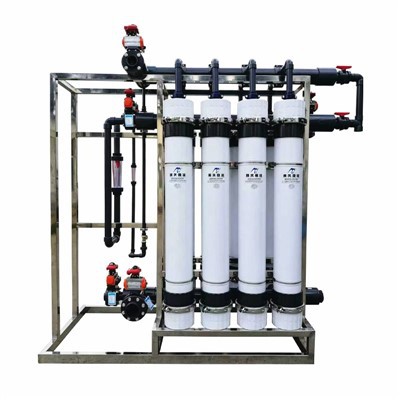
Optimizing the performance of membrane filtration equipment requires a comprehensive approach that includes selecting the right membrane, optimizing operating conditions, preventing and controlling membrane fouling, and implementing regular monitoring and maintenance. By following these best practices, you can improve the efficiency, reliability, and cost – effectiveness of your membrane filtration system.
SWRO & BWRO Equipment If you’re looking for high – quality membrane filtration equipment or need advice on optimizing your existing system, don’t hesitate to reach out. Our team of experts is ready to assist you in finding the best solutions for your specific needs. Contact us today to start a conversation about how we can help you achieve optimal membrane filtration performance.
References
- Cheryan, M. (1998). Ultrafiltration and Microfiltration Handbook. Technomic Publishing.
- Baker, R. W. (2012). Membrane Technology and Applications. Wiley.
- Fane, A. G., & Fell, C. J. D. (Eds.). (1981). Synthetic Membranes: A Review of their Preparation, Characterisation, Modification and Application. Elsevier.
Shandong Yanuo Environmental Protection Equipment Co., Ltd.
We’re well-known as one of the leading membrane filtration equipment manufacturers and suppliers in China, featured by quality products and good price. Please rest assured to buy bulk membrane filtration equipment made in China here from our factory. Customized orders are welcome.
Address: North Side of the Road, 1,000 Meters West of the Intersection of Fenghuangshan West Road and Provincial Highway S102, Wangfu Subdistrict, Qingzhou City, Weifang City, Shandong Province.
E-mail: ynhb.499973983@gmail.com
WebSite: https://www.zkyaruo.com/
